Basic services
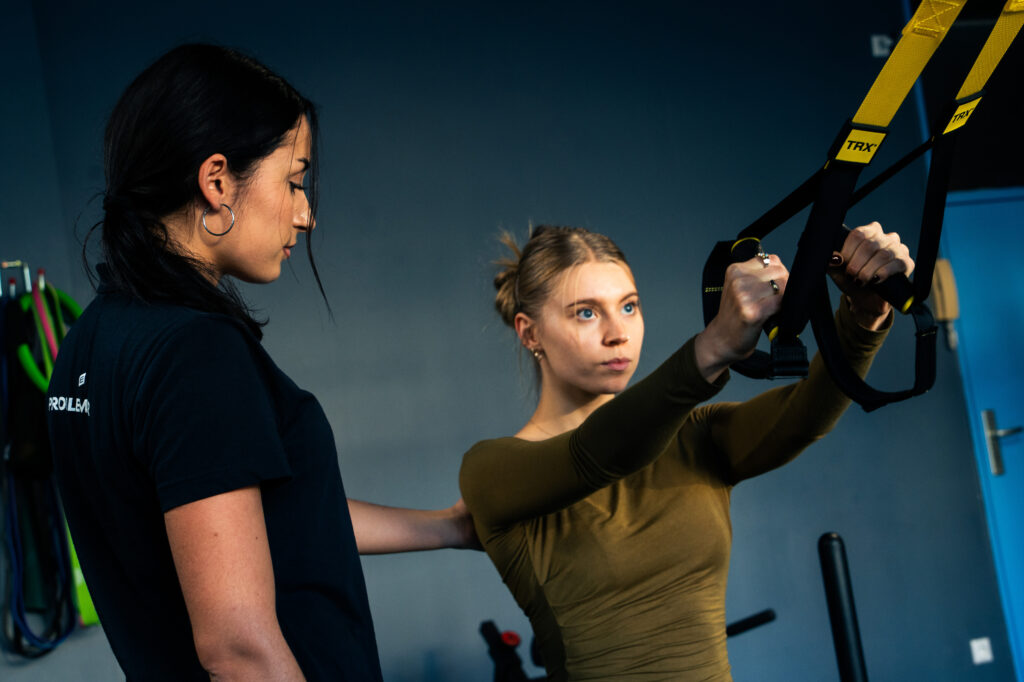
Back school or back training is intended to alleviate or prevent the common ailment of back pain. But what exactly are back school and back training, how do they work, what is done and when are they used?
What is back school/back training?
One of the most common complaints is back pain. In most cases, it is caused by incorrect posture. And weak muscles are partly to blame. Strong back muscles, on the other hand, help to maintain the correct posture even when working at a desk for long periods of time, relieve pressure on the spine and especially on the intervertebral discs. Back training therefore starts with strengthening the important back and abdominal muscles. The back school goes beyond the actual training in its objectives. Here, affected persons learn to move in a back-friendly way in everyday life and to relax in time.
How does back school/back training work?
The common goal of back school and back training is to correct poor posture and to alleviate or prevent back pain. To this end, the necessary knowledge about the musculoskeletal system is taught and the muscles are strengthened through regular training.
What is done in back school/back training?
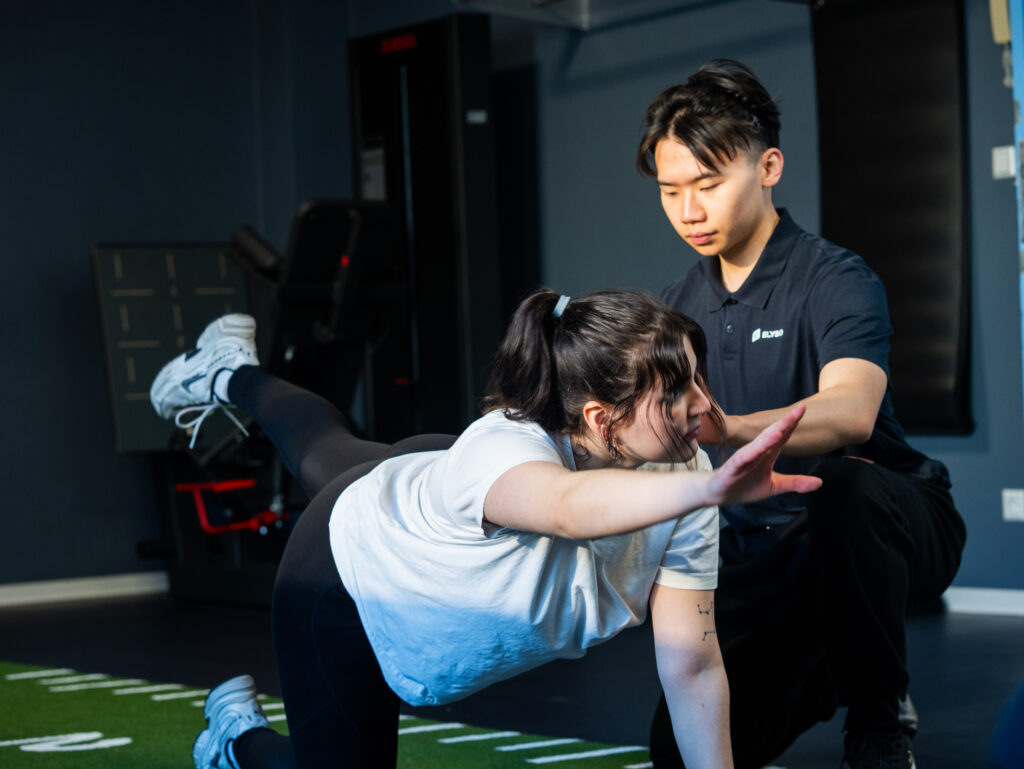
While patients in back school gain insight into the function of the musculoskeletal system and learn how to integrate relaxation techniques and preventive measures into their everyday lives, the focus of classic back training is on building up the musculature. In a training plan tailored to individual needs, the following measures occur most frequently:
- Mobilization exercises
- Stretching exercises
- Coordination exercises
- Strength training
- Rotation exercises
- Balance exercises
- Vibration
Through these exercises all important muscles up to the deep musculature are considered. The exercises can be done without and with equipment. Commonly used equipment includes exercise ball, dumbbells, rowing machine and elastic band.
When to use back school/back training?
Back training is suitable for treating existing problems as well as preventing back pain. Most commonly, back training and back school are used for:
- Injuries and diseases of the spine
- Herniated disc
- poor posture
- after operations
- frequent tensions
Important for the success of the back training is the regular and clean execution of the exercises in sufficient repetition. The patient is accompanied by the therapist during the preparation of the training plan and the monitoring of the execution.
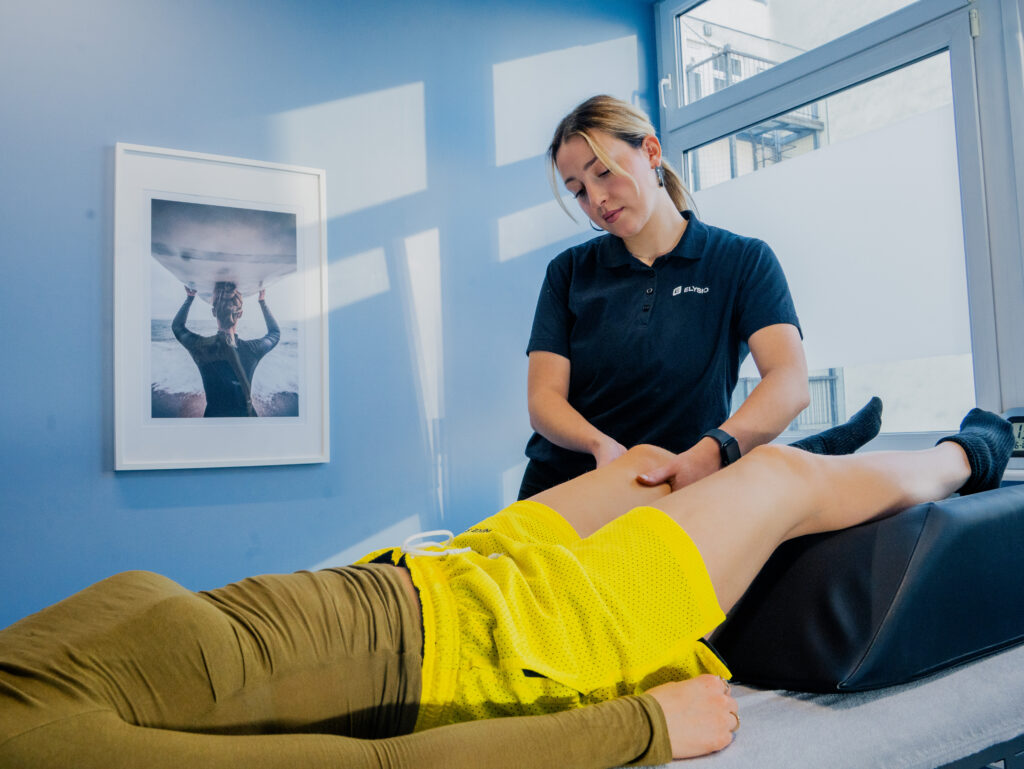
Classical Massage Therapy does not focus on relaxation, but on the treatment of a medical problem. Classical massage is therefore not a wellness massage, but a therapeutic massage to be distinguished from it. But what exactly is Classical Massage Therapy, how does it work, what is done and when is it used?
What is classical massage therapy?
As a therapeutic massage, Classical Massage Therapy is one of the medically prescribed remedies. It is part of physical therapy and can be used alone or in addition to other forms of therapy. Therapeutic massage may only be performed by physicians, physiotherapists, masseurs and medical bath attendants.
How does Classical Massage Therapy work?
The goal of Classical Massage Therapy is to relieve pain, loosen muscles, relieve tension and adhesions, and increase the drainage of lymphatic fluid. Massage stimulates blood circulation locally, lowers blood pressure and pulse, calms breathing. The manual stimulus of the massage thus triggers a variety of physical reactions, which in turn influence the healing process. Classical massage therapy remedies acute complaints, provides relief for chronic problems and contributes to general well-being and strengthening of the immune system.
What is done during classical massage therapy?
Depending on the problem, classical massage therapy involves massaging either the entire body or only individual parts of the body (partial massage). The therapist applies various grip techniques. The most common of them are:
- Stroking
- kneading
- tapping
- rubbing
The local application of force stimulates the skin, subcutaneous tissue, muscles, tendons, connective tissue, nerves, blood and lymph vessels. This not only relieves painful tension and adhesions, but also has an indirect effect on the internal organs.
When to use classical massage therapy?
Due to the wide-ranging effect of classical massage therapy on the entire body, it supports the healing of a wide variety of complaints. It is especially often used for
- painful tension, especially in the shoulders and back
- edema (manual lymphatic drainage)
- constipation (also colon massage)
- scarring
- chronic pain
It is advisable to consult a doctor before using Classical Massage Therapy. In addition to the fact that the costs are covered by the health insurance on prescription, this ensures that there are no contraindications. These include acute injuries, fresh muscle tears, fresh fractures and other injuries to the bones, fresh scars, acute thrombosis, inflammation of the skin, varicose veins, advanced osteoporosis, blood clotting disorders or the use of drugs that inhibit blood clotting, as well as fever, infections and high-risk pregnancies. After the massage, make sure to drink enough fluids to drain the stimulated lymph fluid.
Cranio Mandibular Dysfunction is a disorder of the masticatory system. CMD is a collective term for disorders of the temporomandibular joints and masticatory muscles or disorders of tooth contact. These can occur individually or together and can be accompanied by psychological problems. To treat Cranio Mandibular Dysfunction, different professions work together in a holistic approach. These include dentists, orthodontists, osteopaths and psychotherapists, as well as physical therapists. But what exactly is physiotherapy for Cranio Mandibular Dysfunction, how does it work, what is done and when is it used?
What is physiotherapy for cranio-mandibular dysfunction?
Physical therapy for Cranio Mandibular Dysfunction follows an individualized treatment plan that may include active and passive elements of exercise therapy as well as physical therapies.
How does physiotherapy for cranio-mandibular dysfunction work?
Malposition in the jaw affects the entire body. This is because the skeletal system, muscles and connective tissues are a whole that becomes unbalanced when one of its parts is disturbed. Beginning at the jaw, this often results in a veritable cascade of tension that continues through the entire body. Physiotherapy helps to interrupt this chain reaction. It relieves acute pain, prevents new tensions, promotes blood circulation to muscles and connective tissue, and improves jaw mobility and coordination.
Correcting the malposition, relieving tension and secondary symptoms, and alleviating and stopping the resulting pain are the goals of physiotherapeutic measures, which usually complement dental, orthodontic, osteopathic, and in some cases psychotherapeutic treatment approaches to support the healing process.
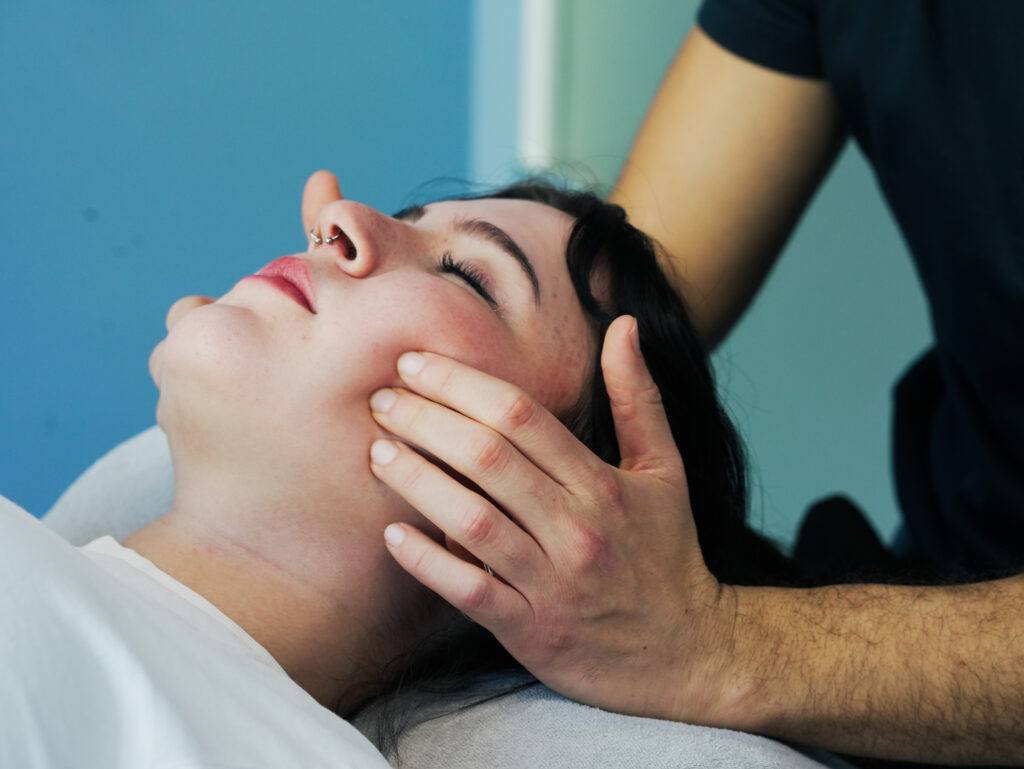
What is done in physiotherapy for cranio mandibular dysfunction?
The treatment plan for Cranio Mandibular Dysfunction must be individually designed based on the causes and symptoms. Frequently performed measures are:
- active movement exercises
- passive mobilization
- heat therapy
- cold therapy
- red light therapy
- microwave therapy
- ultrasound therapy
- manual therapy
- osteopathic therapy
- jaw massages
When to use physiotherapy for Cranio Mandibular Dysfunction?
Physiotherapy is used for all clinical pictures related to Cranio Mandibular Dysfunction and especially for the complaints and limitations of functionality and mobility that occur as a result.
In addition to heat therapy, cryotherapy is part of thermotherapy. It involves the external application of cold to influence processes in the body. But what exactly is cryotherapy, how does it work, what is done and when is it used?
What is cold therapy?
Cold therapy is part of physical physiotherapy. It aims to relieve physical and sometimes psychological discomfort. Cold applications can be used locally on certain parts of the body or on the whole body. The choice of treatment method depends on the individual complaints. Cold therapy usually supports other forms of physiotherapy, such as physiotherapy or massage.
How does cold therapy work?
Exposure to cold causes the vessels to contract. The momentary constriction leads to reduced blood flow and slower metabolism. This helps to reduce swelling and inhibit inflammation. The cold also temporarily blocks nerves and pain receptors and can therefore be used to relieve pain. A short application of cold initially increases muscle tension, but with longer application, relaxation occurs.
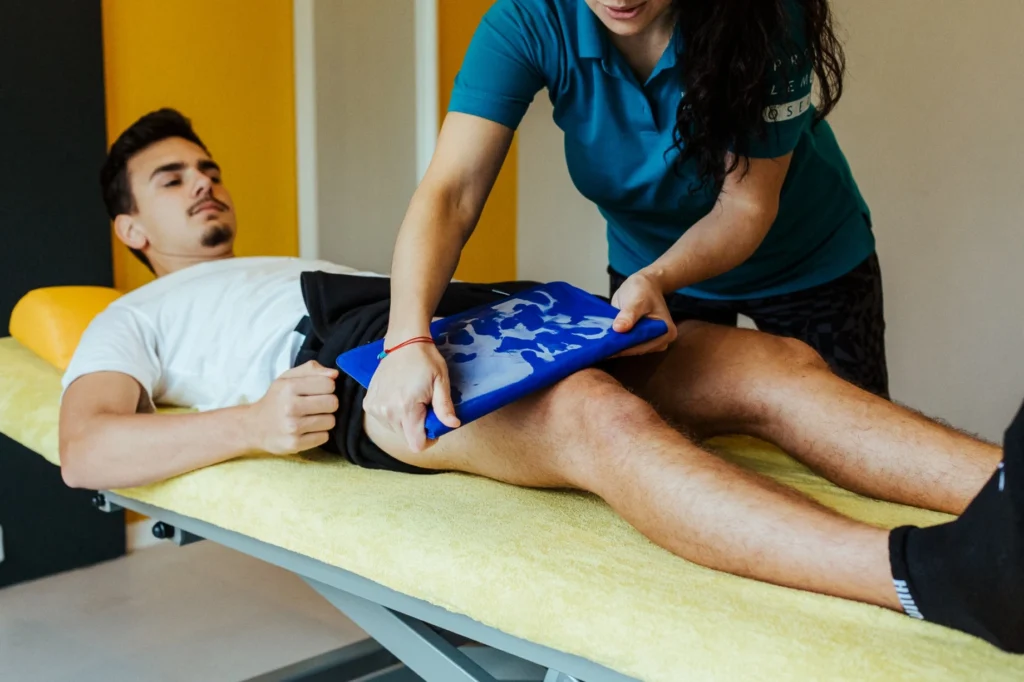
What is done during cold therapy?
Cold therapy involves exposing either the whole body or a part of the body to more or less low temperatures (-120 to +12 °C) for short (10 to 15 minutes) or longer (one to two hours) periods of time, depending on the problem being treated. Common applications include:
- Cold packs
- cold compresses
- ice rubbing
- Ice immersion bath
- cold water bath
- evaporative cooling by liquids
- Cold chamber
When to use cold therapy?
The application of cold has analgesic and anti-inflammatory effects. It is often used for the following problems:
- acute arthrosis
- acute periarthritis
- acute gout
- bursitis
- sprains
- bruises
- bruises
- edema
- local burn
- arthritis
- swellings after surgery
- after sport for regeneration
- tendonitis
Cold should not be used in cases of circulatory disorders and cold allergies, as well as in cases of bladder and kidney pelvis inflammation.
Electrotherapy is usually used in conjunction with other physiotherapeutic measures and other forms of therapy. The effect of electric current is used therapeutically. But what exactly is electrotherapy, how does it work, what is done and when is it used?
What is electrotherapy?
Electrotherapy, also known as electrostimulation, is a form of physical therapy and as such is part of physiotherapy. Electric current is used for therapeutic purposes in four procedures:
- Direct current therapy (galvanization)
- Low frequency therapy with impulse currents (up to 1000 Hertz)
- Medium frequency therapy with alternating currents (1 to 100 kilohertz)
- High frequency therapy (over 100 kilohertz)
How does electrotherapy work?
Electric current stimulates blood circulation and metabolism and leads to warming of the skin as well as deeper tissue layers. Muscles are stimulated, even in case of paralysis, tensions are loosened.
Direct current therapy shows an analgesic effect in the area of the positively charged anode, and a stimulating effect in the area of the negatively charged cathode. Low frequencies stimulate not only muscle activity and blood circulation, but also the flow of lymph to the center of the body. Treatment with alternating currents in the medium frequency range particularly increases the endurance of the muscles, which are thus better supplied. High-frequency therapy, on the other hand, loosens tensions and accelerates the metabolism due to the heat produced, and supports the healing of injuries.
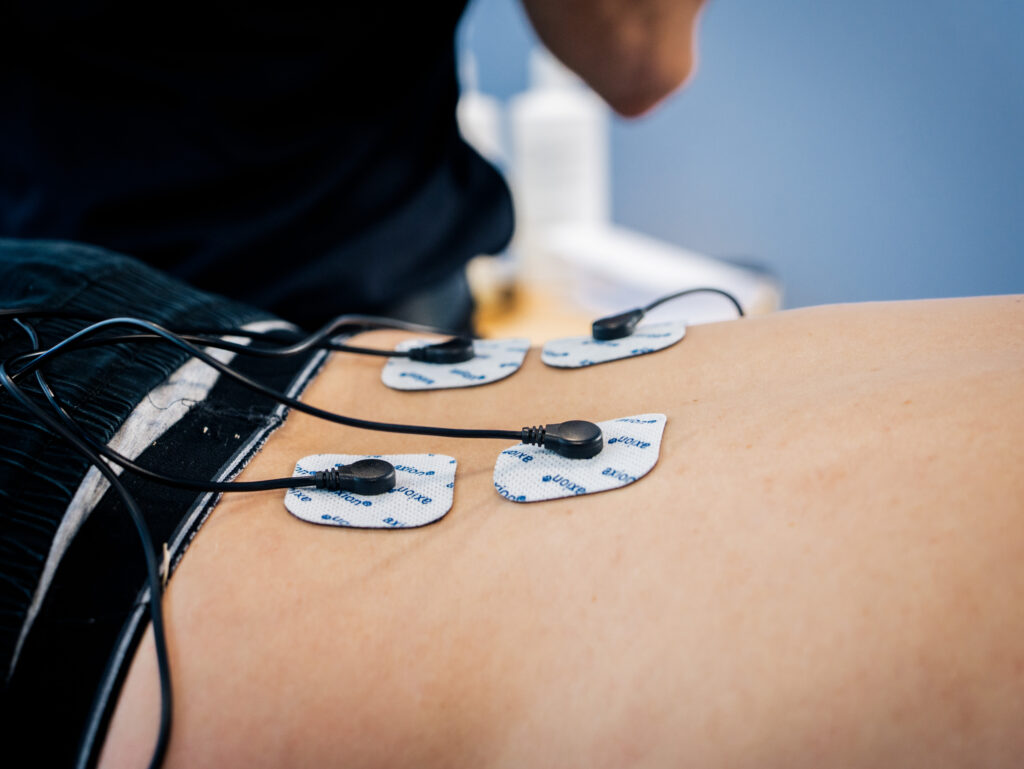
What is done in electrotherapy?
In electrotherapy, electricity is supplied through electrodes glued on or attached in tapes. Polarity and placement of anode and cathode are done depending on therapy form and goal.
In hydroelectric baths, warm water conducts the current. Depending on requirements, a hydroelectric full bath (rod bath), a hydroelectric partial bath or the so-called four-cell bath (for arms and legs) can be used (we do not offer this type of therapy!).
In the special form of iontophoresis, charged active ingredients of medications are carried deep into the tissues by the current flow. The drugs are distributed on the skin via ointments, gels and similar substances before the electrodes are attached (we do not offer this type of therapy!).
The therapy is terminated by slowly lowering the current intensity.
To avoid burns or burns, the therapist is present throughout the treatment and checks for skin changes after completion. Occasionally, cardiac arrhythmias or sensitivity to touch may occur.
When to use electrotherapy?
Electrotherapy is used wherever stimulation of blood circulation, metabolic processes and lymphatic drainage can bring about an improvement in symptoms. In particular, pain relief, but also the activation of muscles are in the foreground for conditions such as:
- Circulatory disorders
- Muscle atrophy
- paralysis
- chronic inflammations
- non-activated arthrosis
- muscle pain syndrome
- Weakening of the pelvic floor muscles with incontinence
Electrotherapy must not be used on patients with pacemakers, metallic implants, hormonal coils, open wounds, inflammatory skin lesions or fresh blood clots, or in early pregnancy. In the case of electrotherapy lasting longer, as in the treatment of pain, a break of at least fourteen days must be taken after ten weeks.
entire body in three layers: the superficial fasciae in the subcutaneous tissue; the deep fasciae in the connective tissue around bones, muscles, veins or nerves; the visceral fasciae around the internal organs. They ensure that everything stays in place, contributing to the stability and functioning of the body. Fascia also carries waste products to the lymphatic channels, making it important for the immune system.
Fascia is a bundle of fibers a few millimeters thick made of collagen, elastin, various cells and water, in which the individual fibers are arranged in parallel. The fasciae are mobile and can become tense, twisted, stuck together and matted. In that case, they can no longer perform their function, nerves are pinched by thickening, water is lost. This is accompanied by a loss of suppleness of the tissue. Fascia therapy aims to correct such problems and their consequences. But what exactly is fascia therapy, how does it work, what is done and when is it used?
What is fascia therapy?
Fascia therapy uses forms of massage and active and passive stretching exercises to bring the arrangement of fibers in the fascia into the normal, parallel position and relieve the discomfort caused by tension, twisting, sticking or matting.
How does fascia therapy work?
The goal of fascial therapy is to improve mobility in addition to relieving both acute and chronic pain. Fascia therapy can also be used for regeneration after high stress, for example during sports. As a preventive measure, regular treatment once or twice a week is recommended.
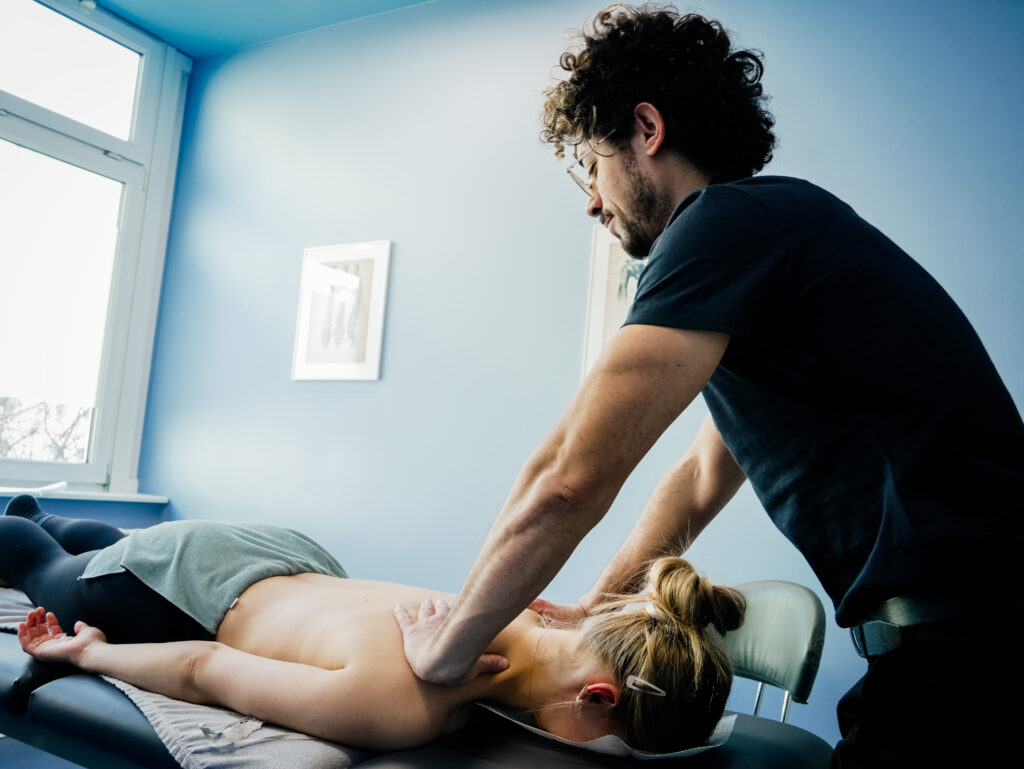
What is done during fascia therapy?
Fascia therapy is composed of three measures:
- Massage
- passive stretching exercises
- active stretching exercises
While the application of pressure during the massage leads to a loosening of the agglutinated and hardened fiber strands, classic stretching exercises ensure that the fascia chains are stretched in length. The spring function of the fasciae, which is needed, for example, during erratic movements, can be trained in springy movements. Since the fascial system runs through the entire body, a disturbance at one point often leads to a regular chain reaction. It can therefore make sense to start the treatment at a different point than the acutely affected one. Exercises and massages can be enhanced by using a so-called fascia roller and fascia balls. For optimal effectiveness, proper use should be explained and preferably monitored by a therapist.
When to use fascia therapy?
Fascia therapy is primarily used to relieve pain as well as improve general well-being. One of the most common causes of back pain is problems with the fascia, which can be alleviated and prevented by regular fascia training. This is particularly important, since an unfavorable posture when working at the computer, in combination with weak muscles, promotes the painful thickening of the fibers.
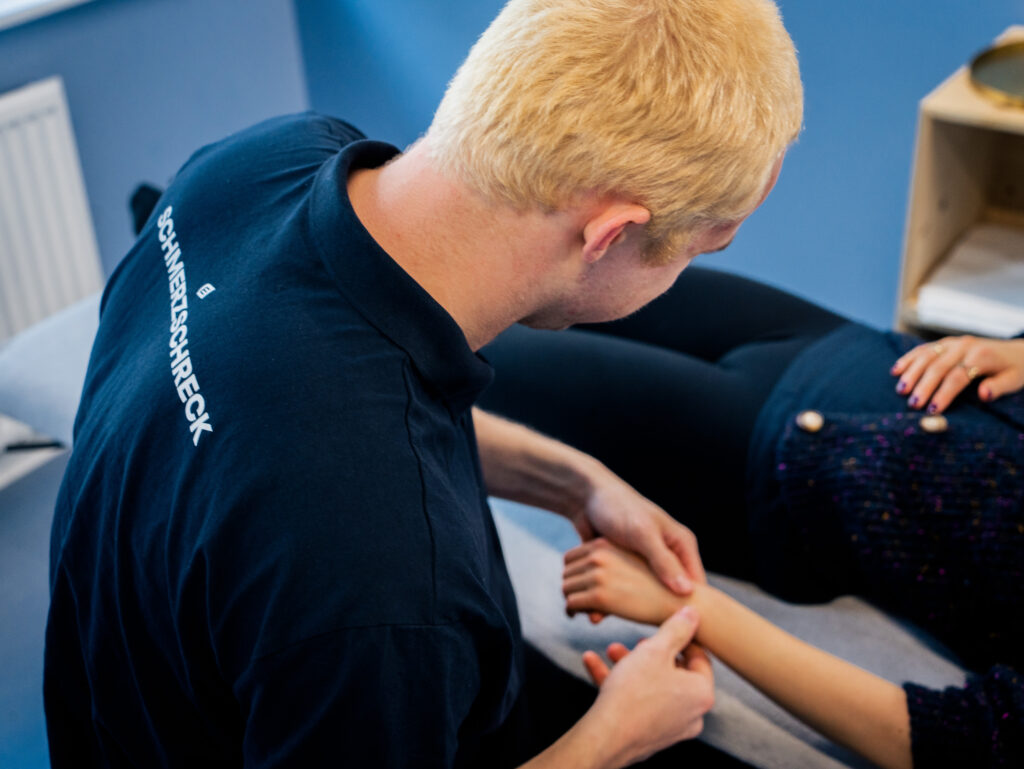
Hand rehabilitation, or hand therapy, is the treatment of injuries and disorders of the hand to restore its functionality and mobility. But what exactly is hand rehabilitation, how does it work, what is done and when is it used?
What is hand rehabilitation?
Hand rehabilitation brings together exercise therapy and physical therapy interventions to address limitations in functionality and mobility. Hand therapy is often used in conjunction with other therapeutic approaches, for example, together with drug treatment and before or after surgery.
How hand rehabilitation works?
The goal of hand therapy is to restore the functionality of the hand. It focuses on improving strength and mobility in general, but also fine motor skills, coordination and dexterity in particular. Hand rehabilitation also focuses on relieving pain.
What is done in hand rehabilitation?
Hand rehabilitation takes a holistic approach, where treatment does not have to be limited to the hand. Where necessary, this may also include the arm. In addition to drug and surgical treatment methods, the following procedures in particular are used in physical therapy:
- Manual therapy
- Manual lymphatic drainage
- Ultrasound therapy
- Electrotherapy
- Heat therapy
- cold therapy
- active movement exercises
- passive movement exercises
- massage
When to use hand rehabilitation?
A limitation in functionality and mobility of the hand can be congenital or occur as a result of injury or disease. The most common reasons for hand rehabilitation include:
- Injuries to the tendons
- Overuse
- Rheumatism
- Arthritis
- Osteoarthritis
- Burns
- frostbite
- fractures
- Diseases of the nerves
- CRPS
- Loss of function after operations
- Amputations
- Edema
Heat therapy, along with cold therapy, is part of thermotherapy. It involves the external application of heat to influence processes in the body. But what exactly is heat therapy, how does it work, what is done and when is it used?
What is heat therapy?
Heat therapy belongs to the field of physical therapy. It aims to alleviate physical and, in some cases, psychological complaints. Heat applications can be used locally on certain parts of the body or on the whole body. The choice of treatment method depends on the individual complaints. Heat therapy usually supports other forms of physiotherapy, such as physiotherapy or massage.
How does heat therapy work?
Heat causes the vessels to dilate. This stimulates blood circulation. As a result, waste products from the metabolism are transported away more quickly, but also messenger substances of the defense system are passed through the body more quickly. The nerve pathways are relieved, which leads to pain relief. The relaxation of muscle and connective tissue also contributes to this, joint fluid flows better under the influence of heat.
What is done during heat therapy?
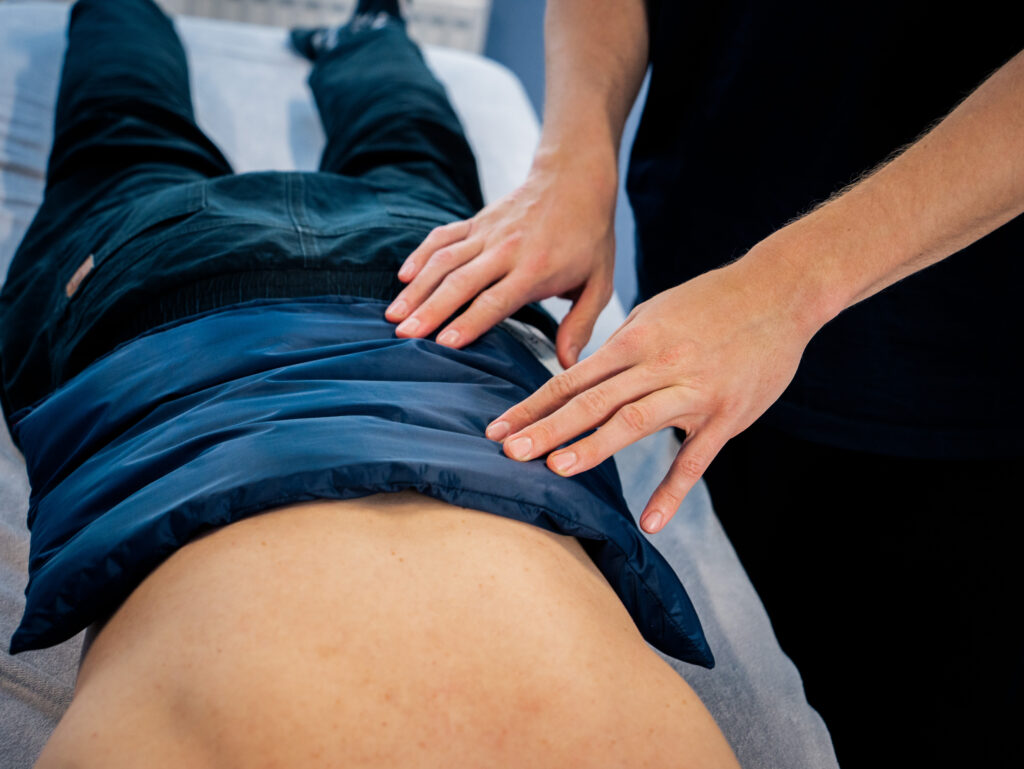
During heat therapy, either the whole body or individual parts of the body are heated, depending on the ailment. Various sources of heat are available. The most commonly used are:
- heat packs made of mud or fango
- hot roll made of funnel-shaped rolled towels soaked with hot water
- hot air radiator
- infrared light
- ultrasound
When to use heat therapy?
Heat therapy is used wherever pain relief and relaxation are desired, for example in:
- muscle tension
- spasmodically increased muscle tension in incomplete paralysis such as after a stroke
- wear and tear and its sequelae, for example arthrosis
- abdominal pain due to irritable bowel syndrome
Depending on the situation, heat treatment must be considered for problems such as:
- Herniated disc
- chronic, but not acute joint inflammation such as rheumatism
- chronic but not acute gout
In acute cases, irritation of nerves, swelling and inflammation, however, cold treatment is the method of choice.
The use of heat treatment should be avoided in cases of high fever, open skin lesions, cardiac insufficiency, hypertension, hyperthyroidism, cancer, bleeding tendency, smoker’s leg, thrombosis, varicose veins, disorders of heat perception or hypersensitivity to heat, as well as in old age.
Kinesio taping uses a highly elastic textile plaster. But what exactly is Kinesio-Taping, how does it work, what is done and when is it used?
What is Kinesio-Taping?
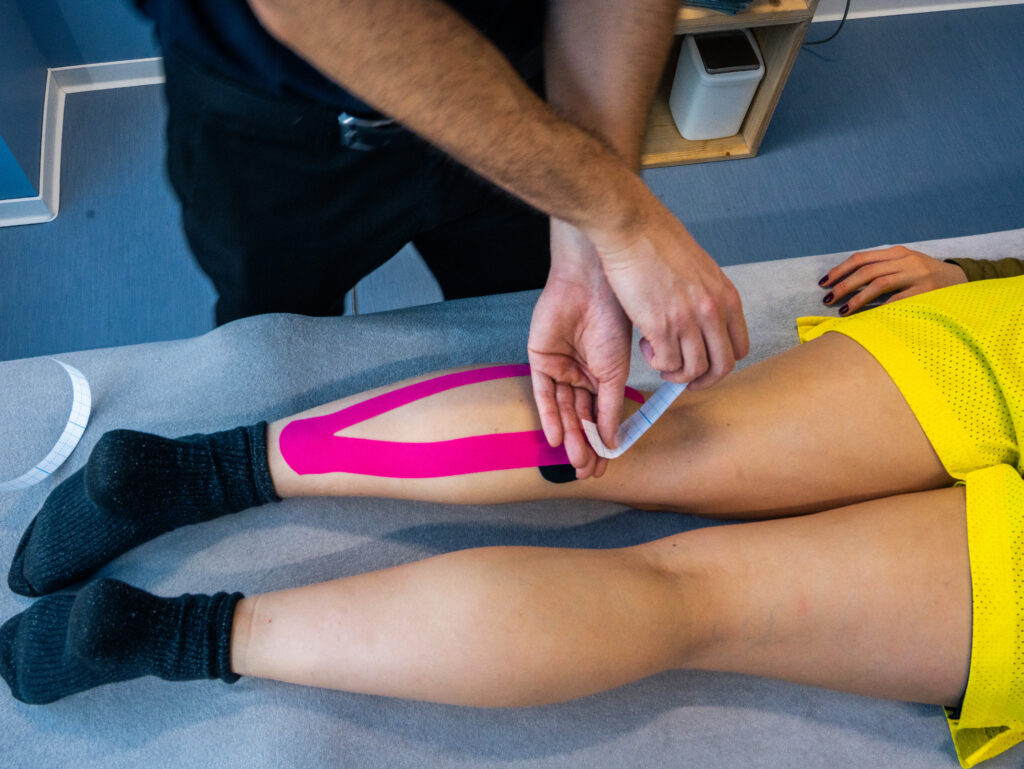
Kinesio tape, also called kinesiological tape or physio tape or muscle tape is, as the name suggests, a plaster. It is made of fabric and has a high elasticity. If the mobility is limited by injuries or inflammation of muscles or ligaments and joints, it gives more stability. At the same time, the stretchable tape allows free movement. Thus, even in the case of injury and inflammation, better mobility can be ensured. In addition, the Kinesio-Tape developed by the Japanese chiropractor Kenzo Kase stimulates the self-healing powers and thus accelerates the healing process.
How does Kinesio-Taping work?
Kinesio tape provides both support and relief to the damaged muscle, ligament or joint. The stabilizing effect with simultaneous stretchability of the tape improves mobility where it is limited by inflammation or injury. However, something else happens while the patch is being worn.
With every movement, the skin fixed by the plaster is moved against the tissue underneath. This results in a constant stimulus that activates various receptors. These include receptors for touch, pain, temperature and orientation in space. On the one hand, this contributes to the regulation of muscle tension. On the other hand, it influences the transmission of signals to the central nervous system. This leads to better body perception, which has a positive effect on mobility. In addition, it promotes blood circulation, stimulates metabolism and relieves pain.
In addition, Kinesio tape is also said to address various acupuncture points. According to Traditional Chinese Medicine, this can correct disturbances in the flow of energy in the body, restoring its functionality.
What is done in kinesio-taping?
Kinesio tape is firmly applied to the skin over the damaged muscle, ligament or joint and worn throughout the day. Improvement should be noticeable immediately due to the mechanical action. Experience shows that the tape sticks for about four to six hours.
When is Kinesio-Taping used?
Kinesio tape is used especially frequently for injuries and inflammations. In addition, the popular patch is used for many other complaints. Among the most common are problems with:
- Muscles
- Joints
- Ligaments
- sports injuries
- Migraine
- Edema
- Back pain
- Menstrual pain
- Incontinence
- Tinnitus
Manual lymphatic drainage is a massage technique for reducing lymphedema. It relieves pain and has positive effects on mobility, well-being and health. But what exactly is Manual Lymphatic Drainage, how does it work, what is done and when is it used?
What is Manual Lymphatic Drainage?
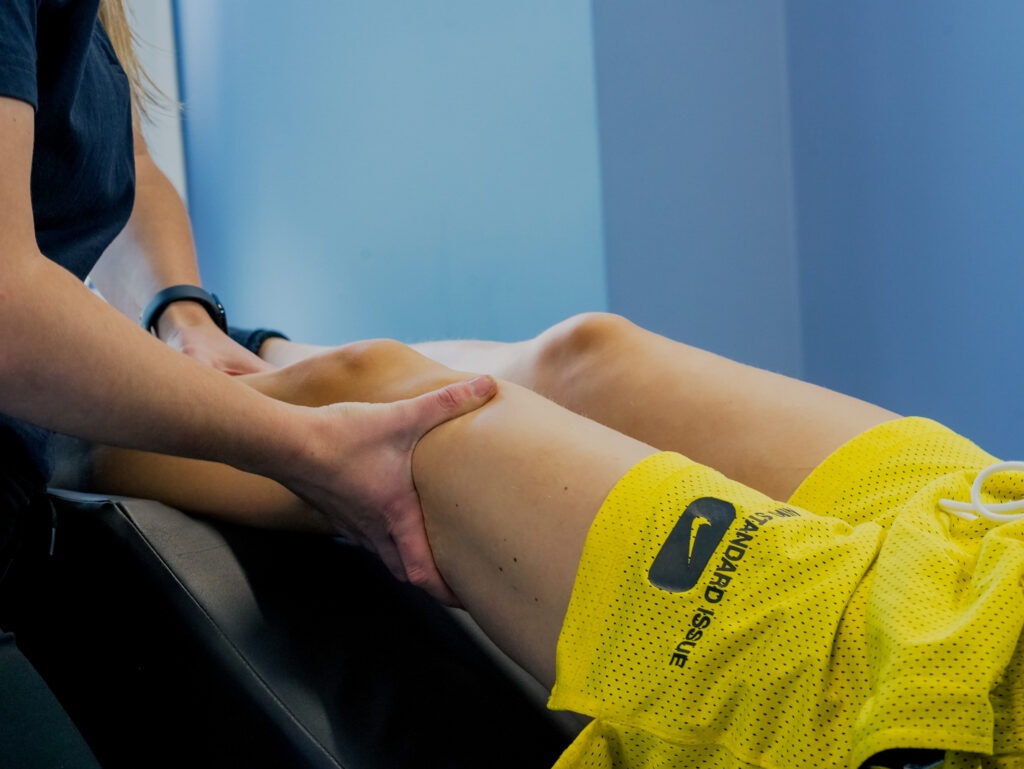
Manual lymphatic drainage is a medical massage. Thus, it is not primarily used for relaxation, but for the treatment of an impairment of health. In this case, the elimination of lymphedema. Manual lymphatic drainage is performed by specially trained physiotherapists.
How does Manual Lymphatic Drainage work?
Lymphedema is an accumulation of lymphatic fluid in the tissues. The culprit is a disturbed lymphatic drainage in the space between cells, tissues and organs. This is not only unpleasant. Depending on which part of the body is affected, the swelling also restricts freedom of movement. In addition, since the lymphatic system serves to remove waste products, congestion of the lymph is detrimental to general health. Manual lymphatic drainage stimulates the lymphatic vessels to increase the removal of lymphatic fluid. As a result, the painful swelling goes down, the surrounding muscles relax, and the body’s defenses are strengthened. In addition, the general effect of the massage has the positive side effect of stimulating blood circulation and activating the pain receptors in the skin.
What is done during the manual lymphatic drainage?
Manual lymphatic drainage uses a combination of massage techniques and compression therapy. Specifically, the following measures work together in manual lymphatic drainage:
- Basic grips
- Complementary grips
- Compression therapy
Basic grips
The basic grips include the standing circle, the pump grip, the scoop grip and the twist grip.
Supplementary grips
In addition to the four basic grips, the massage is individually adapted to the respective cause by means of special supplementary grips.
Compression therapy
In compression therapy, the body parts affected by edema are tightly wrapped after the massage. The pressure ensures that the edema does not form again after the treatment.
When to use manual lymphatic drainage?
Manual lymphatic drainage is used for congestion of lymphatic fluid. It is often used for the following conditions:
- Chronic lymphedema
- varicose veins
- after surgery
- Chronic polyarthritis
- CRPS (Sudeck’s disease)
- Hemiplegia due to stroke
- Headache
- Pregnancy edema
- Cellulite
The aim of manual therapy is to remove painful blockages through external movement. It relieves pain and restores the ability to move and function in the parts of the body affected by restrictions. But what exactly is manual therapy, how does it work, what is done and when is it used?
What is manual therapy?
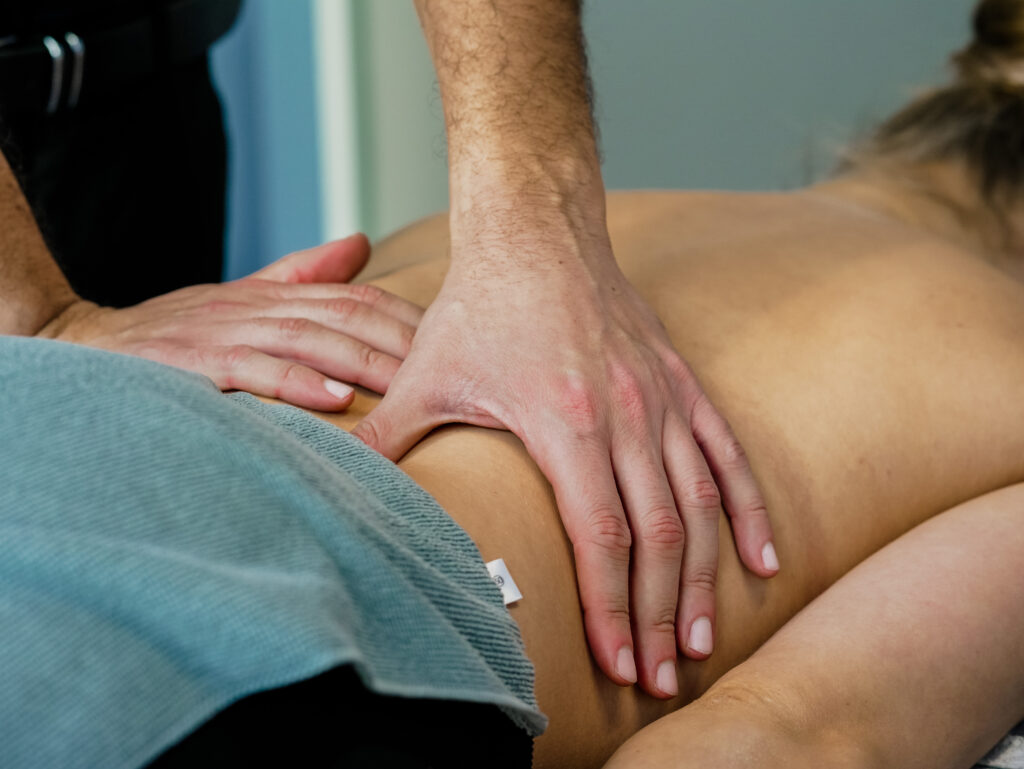
Manual therapy is a form of physical movement therapy in which blockages are released by external action. Such blockages occur, for example, when vertebrae shift and painfully irritate adjacent nerves. These blockages are released gently or jerkily through movement. The stimulus for movement comes either from the therapist’s hand (manus, Latin for hand) or from training with equipment.
How does manual therapy work?
By releasing the blockages, the mobility of muscles and joints is restored. The pain caused by the irritation of the nerves disappears. By allowing the body to move normally again, poor posture, tension and further pain are prevented.
What is done in manual therapy?
At the core of manual therapy are various grip techniques that are used to release the blockage by passively moving the affected body part. In addition, the use of certain devices may be useful. The measures of manual therapy include:
- manipulative technique
- mobilizing technique
- traction treatment
- sling table
- Spinal stretcher
Manipulative technique
In the manipulative technique, the therapist jerkily moves the blocked body part with force to release the blockage. The sliding back of displaced vertebrae to the correct position is accompanied by a loud cracking sound.
Mobilizing technique
In the mobilizing technique, the affected body part is gently stretched by slowly twisting and pulling. This creates space so that, for example, a displaced vertebra can return to its correct position.
Traction treatment
Traction treatment, also called extension treatment, involves applying traction to the spine or affected joints. This moves the joint partners away from each other. This creates relief for the joint surfaces and bruised nerves and stretches the tight muscles. In the case of a herniated disc, for example, traction creates enough space for it to slide back into its normal position. Traction treatment can be done manually, but equipment is usually used.
Sling table
The sling table allows individual limbs to be suspended. Thus relieved, the therapist can then apply targeted traction, manually or with the aid of expanders. As part of the traction treatment, this provides pain relief, relief and the space needed to release the blockage.
Spinal stretcher
The spinal stretcher is a flat device with a slight curvature that has several rubber rollers. When the patient lies on it, the affected parts of the body are stretched over the rollers. The training effect can be enhanced by exercises.
When to use manual therapy?
Manual therapy provides pain relief and improved mobility wherever the function of the musculoskeletal system is disturbed. Common complaints for which Manual Therapy is used include:
- Spinal complaints such as herniated discs.
- Back pain
- Joint pain
- Muscle pain
- Rheumatism
- Irritation of the sciatic nerve
- Arthritis of the joints
Manual therapy may be used only for reversible blockages. It is also not indicated for fractures, burns, inflammations or cancers with formation of metastases. Manual therapy may therefore only be performed by specially trained physiotherapists on a doctor’s prescription.
Medical flossing involves the use of rubber wraps. These are used to bind specific joints or muscle groups. But what exactly is medical flossing, how does it work, what is done and when is it used?
What is Medical Flossing?
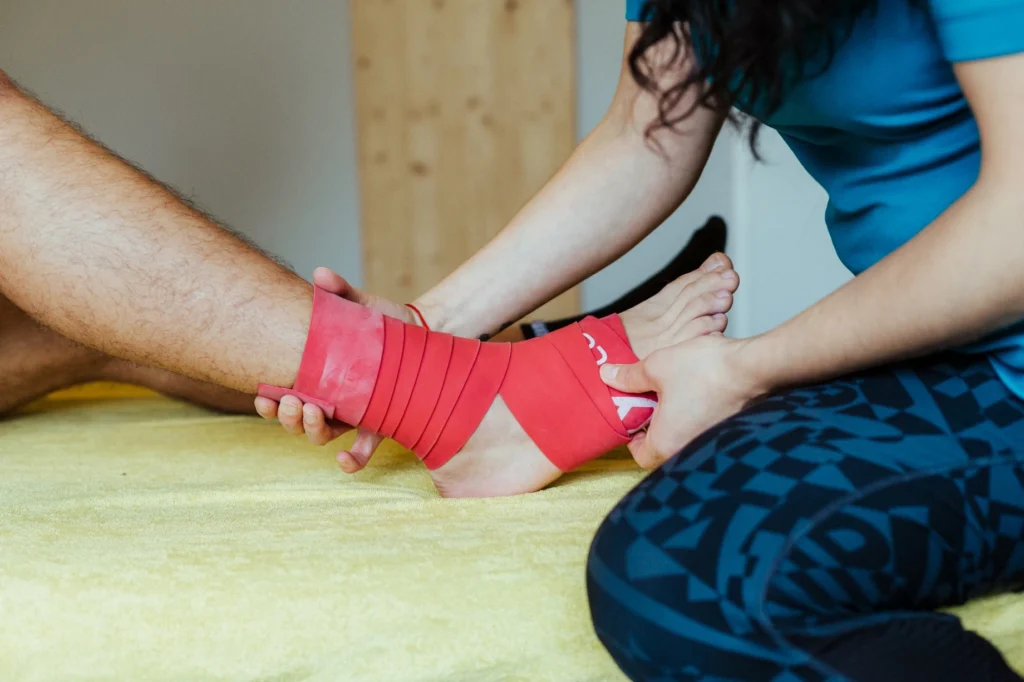
Medical Flossing belongs to the manual therapy forms. Painful muscles and joints are wrapped or tied tightly with elastic latex bands for one to three minutes.
How Medical Flossing works?
The blood supply to the affected part of the body is interrupted for a short period of time by tying. By removing it quickly, the blood flow is suddenly set in motion again. Accumulated waste products flow away, freshly flowing blood supplies oxygen and nutrients. The goal is to regulate muscle tension, relieve pain and improve mobility.
What is done in Medical Flossing?
In medical flossing, the painful muscle or affected joint is wrapped tightly with a latex band. For one to three minutes, this cuts off the blood supply to that part of the body. During this time, active or passive movement exercises are performed. Harmful substances are squeezed out, so to speak, and collect in the blood. Then the tape is quickly removed. The blood rich in waste products flows out. Blood rich in oxygen and nutrients flows in its place. The affected part of the body is thus cleansed and intensively nourished.
When to use Medical Flossing?
Medical Flossing brings relief and improvement after injuries, in case of pain and after great strain. The latex bands are used especially for the following complaints:
- Pain
- Injuries of muscles
- discomfort of joints
- sprains
- Strains
- Tendonitis
- Scarring
- Circulatory disorders
- Metabolic disorders
- Overload
In neurological physiotherapy, also known as Bobath physiotherapy, patients with damage to the central nervous system relearn lost or restricted movement patterns. But what exactly is neurological physiotherapy, how does it work, what is done and when is it used?
What is neurological physiotherapy?
Neurological physiotherapy is a form of active movement therapy. It aims at relearning and internalizing movement sequences that have been lost or are only possible to a limited extent due to a neurological dysfunction by means of targeted repetitions. The therapy is based on the fact that the nervous system has a lifelong ability to learn. Neurological physiotherapy may only be carried out by physiotherapists, speech therapists and occupational therapists who have been specially trained for this purpose, on the basis of a doctor’s prescription. Often, several professional fields work together in a complementary manner to ensure learning success.
How does neurological physiotherapy work?
The aim of neurological physiotherapy is to enable patients to live as independently as possible and to return as closely as possible to their former quality of life. In the best case, reintegration into everyday life as it was before the disorder is successful. Greater control of posture and movement with improvement of balance play a central role in this. Normalized mobility and functional ability should also prevent or reduce consequential damage and pain.
What is done in neurological physiotherapy?
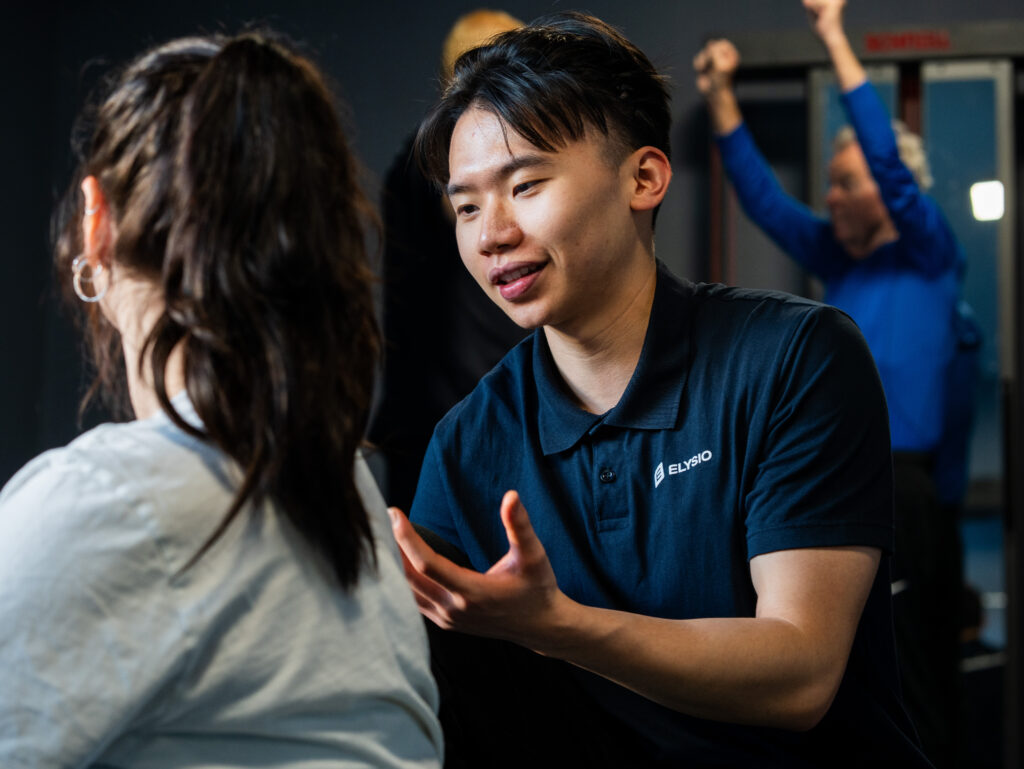
Neurological physiotherapy is about rebuilding damaged nerve fibers and synapses. Central to this is the repetition of certain movement sequences. Due to the very different complaints, the therapy plan must be determined individually in each case. The focus of the compilation of exercises is on activities that play a role in personal everyday life. The training is not limited to the session in the practice, but is also integrated into the daily routine around the clock. It is important for success that the patient works as independently as possible and that the therapist’s support is limited to what is absolutely necessary.
When to use neurological physiotherapy?
Neurological physiotherapy is a suitable therapy for all damages of the central nervous system. This includes the brain and spinal cord. Common problems for which neurological physiotherapy is used include disorders in:
- strength development of the musculature
- Sensory perception
- Balance
- Postural control
- Movement control
- Speech
- Speech
- Swallowing
- Memory
- Attention
Common causes of such disorders include:
- Stroke
- Craniocerebral trauma
- Brain hemorrhage
- Parkinson’s disease
Physiotherapy is a proven therapy for many ailments. Individually tailored, it provides relief from acute and chronic problems or prevents them. But what exactly is physiotherapy, how does it work, what is done and when is it used?
What is physiotherapy?
Physiotherapy is a form of exercise therapy in which restrictions on the body’s ability to move and function are treated actively or passively. Depending on the cause of the problem, physiotherapy can accelerate the healing process after an operation, as an accompaniment to drug therapy or even as an alternative to it. Physiotherapy is one of the medically prescribed remedies and may only be performed by a physiotherapist.
How does physiotherapy work?
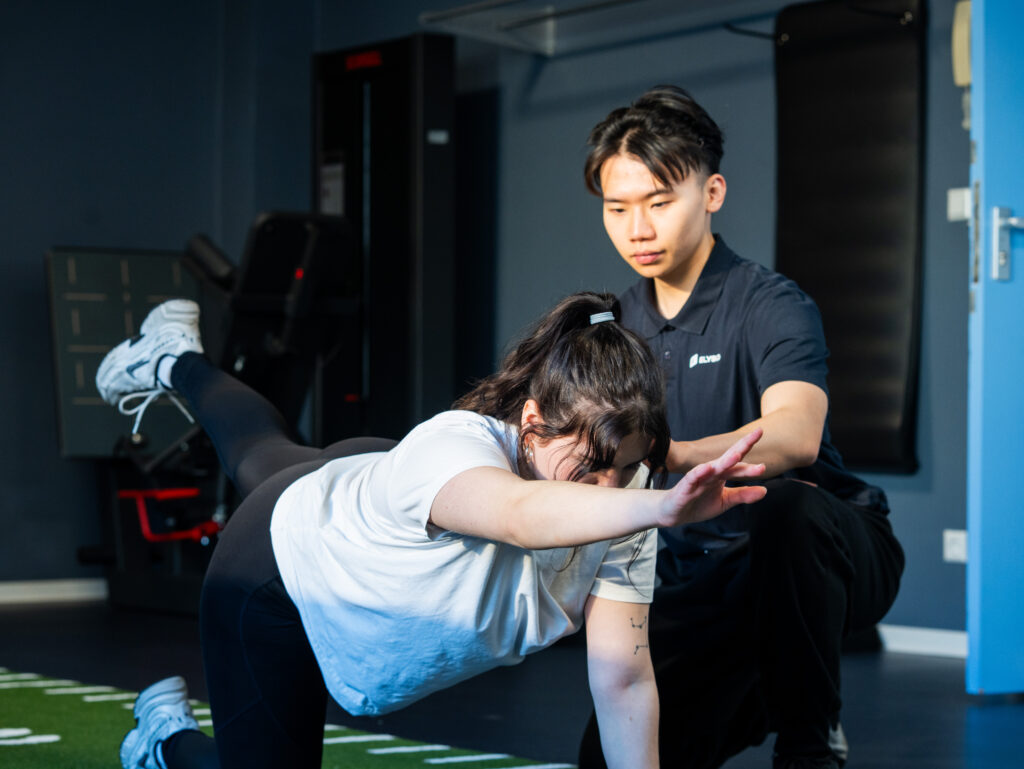
The aim of physiotherapy is to improve existing limitations in the ability to move and function. Targeted active and passive exercises relieve pain and maintain or improve mobility, coordination, strength and endurance. In addition, the movement promotes metabolism and blood circulation. This supports and accelerates the healing process.
What is done during physiotherapy?
Depending on the objective of the therapy, various movement exercises are used. The most common forms of exercise include:
- passive mobilization
- Muscle training
- Stretching exercises
- relaxation exercises
- breathing exercises
- Passive mobilization
In passive mobilization, the patient does not perform the movement himself. The stimulus for movement comes from outside, for example from the therapist. This allows stiffness, for example, to be released in a particularly gentle manner.
Muscle training
In muscle training, weakened muscles are strengthened through invigorating exercises. This improves mobility, posture and coordination.
Stretching exercises
Stretching exercises do not only target the muscles. Tendons, joint capsules, skin and scars can also be stretched through proper training.
Relaxation exercises
Relaxation exercises help loosen tense muscles. This not only provides instant as well as long-term pain relief, but also prevents reoccurrence of tension. They also help improve mobility, functionality and posture by restoring normalcy.
Breathing exercises
In the case of diseases of the respiratory tract and organs, physiotherapy helps to stimulate breathing. Simply adopting a suitable posture provides relief. Exercises for relaxation and mobilization promote the release of secretions, and the correct coughing technique provides relief.
When to use physiotherapy?
Physiotherapy can be used to treat a wide range of injuries, complaints and illnesses, also in addition to other forms of therapy. It provides relief and prevention wherever the musculoskeletal system is restricted in its function. The most common problems for which physiotherapy is used include:
- Back pain
- osteoporosis
- rheumatism
- paralysis after stroke
- Parkinson’s disease
- multiple sclerosis
- Headache
- Scoliosis
- Asthma
- Cystic fibrosis
- Incontinence
- Developmental disorders in children
- after accidents, injuries and operations
- after cancer therapy
The equipment-based form of physiotherapy focuses on long-term goals. But what exactly is physiotherapy on the apparatus, how does it work, what is done and when is it used?
What is physiotherapy on the apparatus?
Physiotherapy on the apparatus is an active movement therapy and a branch of physiotherapy. The medical use of training equipment and traction apparatus is intended to improve mobility, strength, endurance and coordination. Due to the medical orientation of the training, physiotherapy on the apparatus may only be performed by specially trained physiotherapists who have a practice specially equipped for this purpose.
How does physiotherapy on the machine work?
Within the framework of physiotherapy on the machine, the therapist draws up an individual training plan based on the underlying problem. This focuses on strengthening muscles, increasing endurance, improving mobility and/or training coordination.
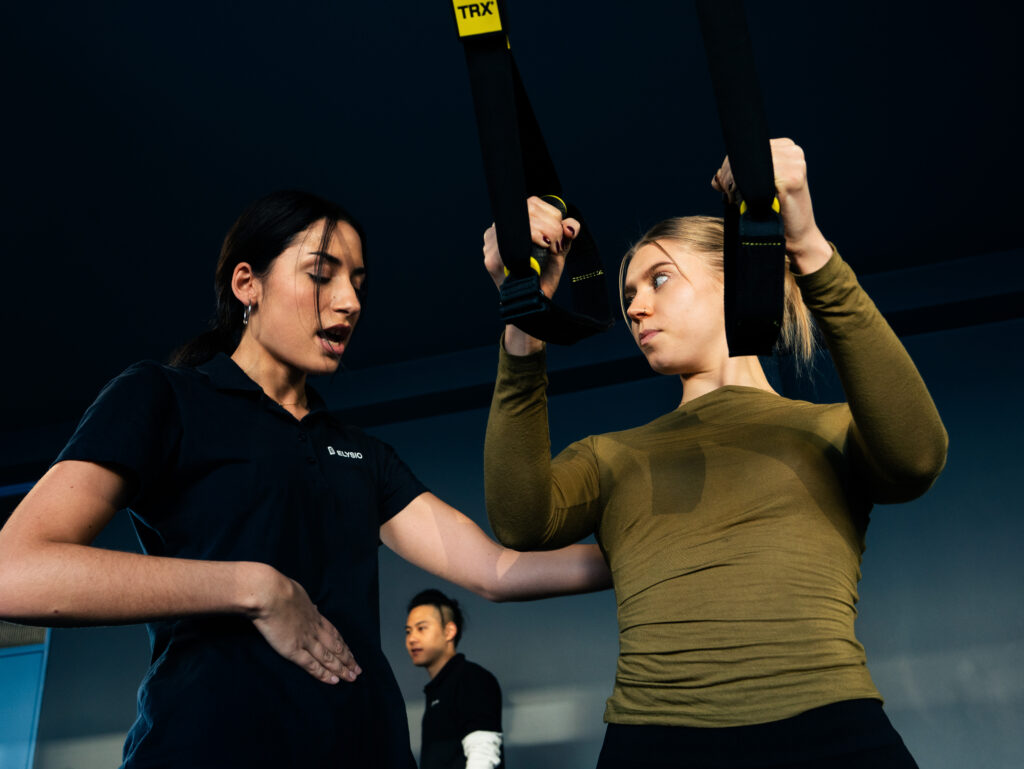
What is done during physiotherapy on the machine?
During physiotherapy on the apparatus, functional movement patterns are developed and automated through targeted exercises with sufficient repetition. It is the repetition that leads to the improvement of strength, endurance and performance at the same time. The following equipment, also known from classic fitness training, is used particularly frequently:
- Cycle ergometer
- Strength training equipment
- Cable pulleys
Bicycle ergometer
The exercise bike is modeled on a bicycle in form and function, hence the name. The bicycle ergometer is mainly used to train endurance.
Strength training equipment
The most used strength training equipment includes weight stations, dumbbells/weight benches, ab/back trainers and the wall bars. The exercises on the equipment are aimed at strengthening the muscles. Strong muscles, in turn, provide support for the entire skeletal system. This helps to reduce postural errors and their painful consequences.
Cable pulleys
Rope hoists are used to transmit forces. This makes lifting even heavy weights easier. Training on the pulley strengthens the muscles and thus improves posture. Especially a strong trunk and back are important to fight pain.
When to use physiotherapy on the machine?
Physiotherapy on the apparatus is useful wherever endurance and muscle strength are limited or movement sequences need to be retrained. Equipment-supported physiotherapy plays a special role, especially in rehabilitation. It is often used for the following problems:
- orthopedic complaints
- chronic spinal diseases
- after operations
- after fractures
- after joint injuries
With all exercises it is important to perform them regularly and cleanly. Especially in the medical field a control by the therapist is therefore advantageous.
Sports physiotherapy is not only for athletes. Prevention of injuries, performance enhancement and rehabilitation are also important for anyone suffering from limited mobility and functionality. But what exactly is sports physiotherapy, how does it work, what is done and when is it used?
What is sports physiotherapy?
Sports physiotherapy is a special form of physiotherapy. The sports physiotherapist accompanies the training of both high-performance and amateur athletes, treats acute injuries and takes care of both prevention and rehabilitation. This also benefits all other target groups for whom an improvement in mobility and functionality is desired, such as after an accident or illness. Working as a sports physiotherapist requires specialized training.
How does sports physiotherapy work?
The goal of sports physiotherapy is to improve mobility, strength and endurance. In addition, the broad field of sports injuries and accidents plays an important role. The aim here is to prevent or treat such injuries. If mobility and functionality are restricted after an injury, the focus of sports physiotherapy is on rehabilitation and a return to sport.
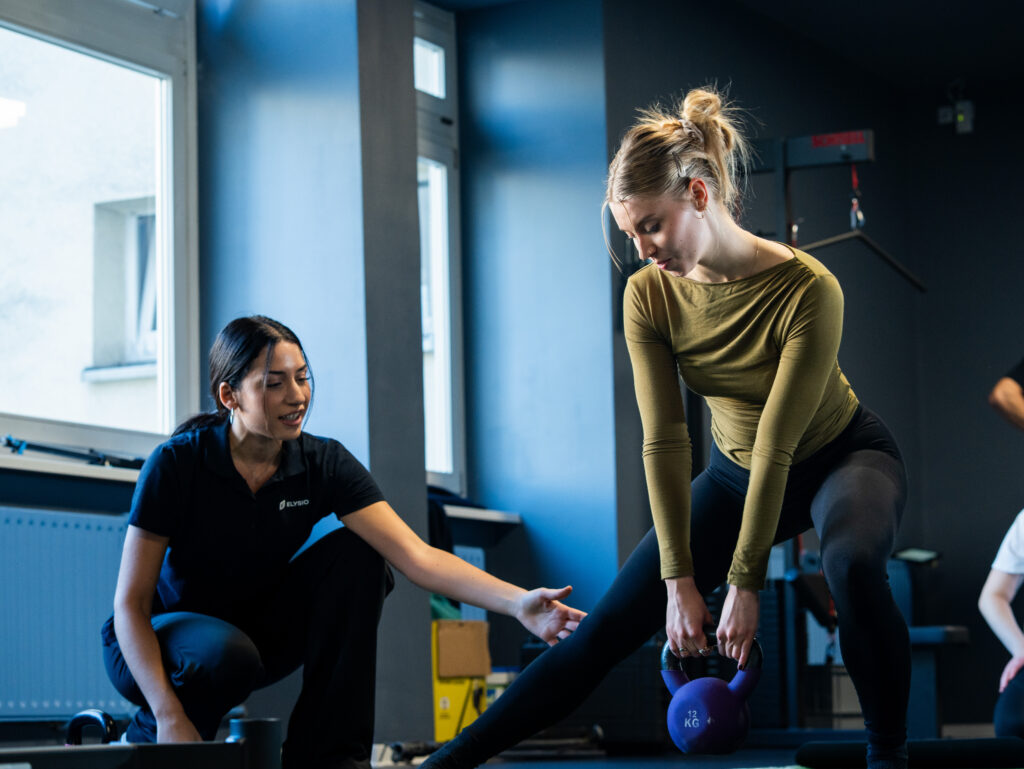
What is done in sports physiotherapy?
The tasks of sports physiotherapy are varied. On the one hand, it is about the prevention of injuries. On the other hand, it is about enhancing performance. Initial care for injuries also falls within the scope of sports physiotherapy. An important part of the work of a sports physiotherapist is rehabilitation.
A sports physiotherapist accompanies especially competitive athletes in the long term. For example, in the preparation of the training plan and the reduction of the risk of injury through targeted preparation. Often he is also present at competitions and can intervene in case of injuries. He especially often cares for athletes and other patients in the phase of rehabilitation after injuries and makes them fit for sports again through the right training. Sports physiology interventions include, depending on the nature of the problem:
- active and passive exercise therapy
- massages
- heat therapy
- cold therapy
Especially in the field of exercise therapy, many different treatment approaches come into consideration, depending on the goal of the treatment. From physiotherapy with and without equipment to targeted training to increase strength, endurance, flexibility, speed and coordination. The sports physiotherapist helps to create an individual training plan, monitors the execution of the exercises and their success. In addition to special training, he should also have a practice with appropriate premises and training equipment.
When is sports physiotherapy used?
Sports physiotherapy is most often used to:
- Performance enhancement of athletes
- Prevention of injuries
- Intervention in case of injury on the sports field
- Rehabilitation after injury, accident or surgery
- Improvement of functionality and mobility in all other limitations of the musculoskeletal system
Theragun massage involves the use of a portable massage gun. Vibrations release tension and relieve pain. But what exactly is Theragun Massage, how does it work, what is done and when is it used?
What is Theragun Massage?
The Theragun massage gun was developed by chiropractor Dr. Jason Wersland. It delivers up to 2400 rapid strokes per minute. The resulting vibrations transmitted to the surface of the body penetrate to the deep tissues where they relieve tension and relieve pain.
How Theragun Massage works?
The vibrations penetrate deep into the muscle tissue. Blood circulation and oxygen supply are stimulated, tensions are released, pain is relieved. In addition, there is a relaxing and regenerative effect in general.
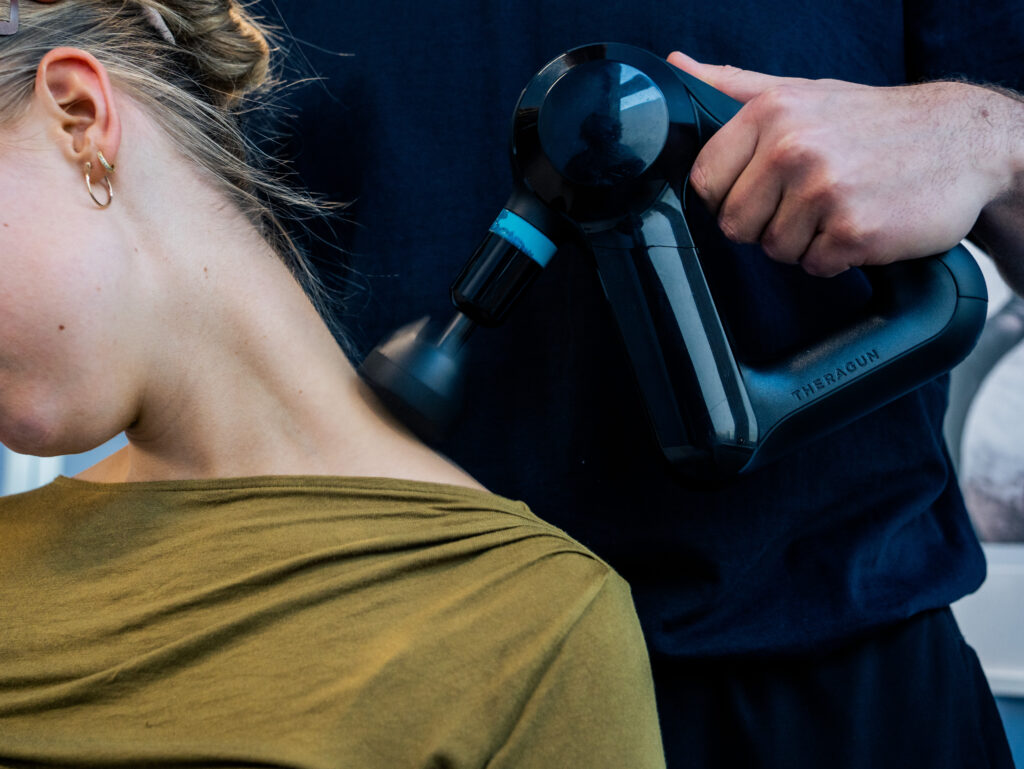
What is done during Theragun massage?
The device has different attachments and different speed levels. Depending on the part of the body to be treated, the appropriate attachment is selected, the device is switched on and placed on the affected area. A few minutes are already enough. The massage should be done regularly, even daily.
When to use Theragun massage?
Theragun massage can be used specifically for the treatment of pain and muscle tension, but also generally for relaxation, stress management and regeneration. The massage gun is often used
- in case of tension
- after sports
- in case of stress
- after a long day at work
Trigger points are behind many headaches and neck pain. Common causes are poor posture and stress, but also injuries after an accident and any other type of muscle damage. Trigger points are thickenings of muscles.
As a result, blood circulation is disturbed. Inflammatory processes are set in motion, and painful tensions develop in muscle tissue and fascia, which is why they are also known as myofascial trigger points. They can occur all over the body, but they are especially often found on the shoulders and neck. The culprit is usually incorrect posture when working at a desk. The pain caused by the tension usually extends to the head. Trigger point therapy aims to release the tension and relieve the pain. But what exactly is trigger point therapy, how does it work, what is done and when is it used?
What is trigger point therapy?
Trigger point therapy is one of the manual therapies. It involves releasing tension by applying pressure to the trigger points. Depending on the severity of the problem, repeated sessions are needed until the trigger points resolve and the pain disappears. Trigger point therapy is often supplemented by physiotherapy or back training to prevent the trigger points from forming again due to poor posture and stress. Painkillers and muscle relaxers can support the process on the drug therapy side.
How trigger point therapy works?
Manual treatment of trigger points normalizes blood circulation and supply of oxygen and nutrients to the following areas. The pain in the trigger points and also the resulting pain disappear.
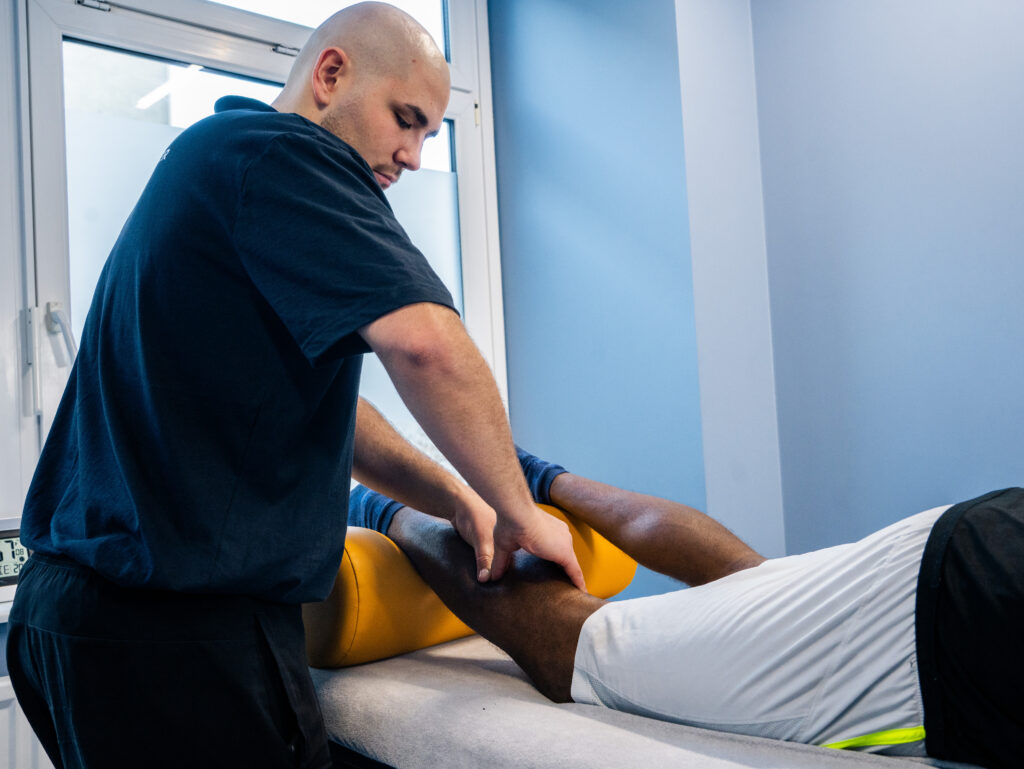
What is done in trigger point therapy?
If trigger points are to blame for acute and chronic pain, the therapist will first palpate the muscles to find any hardening. The more precise the therapy, the better the success. In particular, none of the trigger points should be overlooked, as pain is transmitted from each of these points. Therefore, only when all trigger points are resolved, the pain also disappears. Then the treatment of the points begins through a pressure massage.
Pressure massage uses appropriate massage grips to treat the muscles, fascia and connective tissue. The pressure may initially increase pain. However, as soon as the tension begins to release, noticeable relief sets in. All trigger points must be carefully resolved. In some circumstances, this may require multiple treatments.
When to use trigger point therapy?
Many painful ailments are triggered by trigger points. But other ailments can also be attributed to trigger points. Most commonly, trigger point therapy is used for:
- Headaches
- Neck pain
- Back pain
- Knee pain
- Elbow pain
- Hip pain
- Dizziness
- Tinnitus
- Numbness
Trigger point therapy must not be used when taking blood-thinning medication, as this can cause bleeding into the tissue.
Trigger point therapy brings immediate relief and is therefore good for acute pain. However, without treatment of the causes for the formation of trigger points, they will always recur. Pain treatment via trigger points must therefore always be accompanied by other forms of therapy such as muscle strengthening, exercise or relaxation exercises.
TRX stands for Total Resistance Exercises. Developed by U.S. Navy SEAL Randy Hetrick, the training system works with body weight and gravity through the use of slings. The workout targets the entire body. But what exactly is TRX Suspension Training, how does it work, what is done and when is it used?
What is TRX Suspension Training?
TRX Suspension Training is a full body workout in which slings provide intentional instability. On this basis, exercises are performed against one’s own body weight and the force of gravity, which address a variety of muscle groups in complete sequences of movements. At advanced levels, pulleys provide a greater challenge. TRX Suspension Training is used in sports as well as in physical therapy for muscle strengthening.
How TRX Suspension Training works?
The goal of TRX Suspension Training is to improve strength, endurance and coordination of muscles. The training in about 300 exercises mainly addresses the small, deep muscles near the joints. Instead of individual muscles, it mainly uses muscle chains, which positively influences the effectiveness of the training. A training session for the whole body can achieve results in as little as 20 minutes. The resistance and thus the necessary effort can be changed via the inclination of the body to the floor.
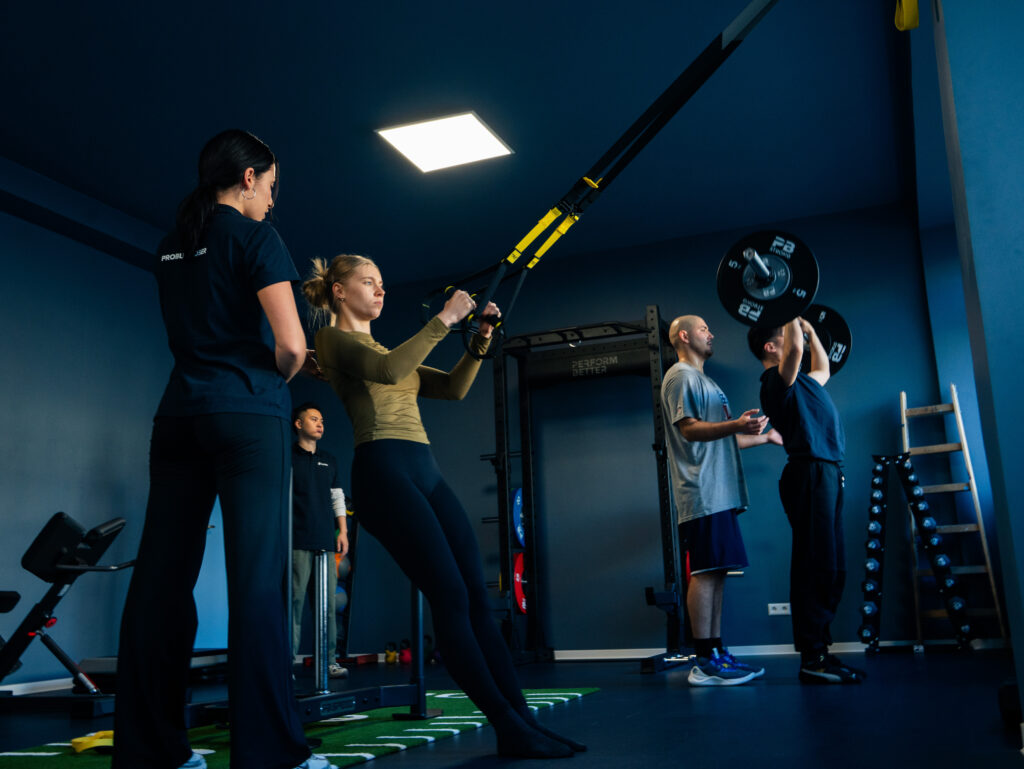
What is done in TRX Suspension Training?
In TRX Suspension Training, the sling is attached via a carabiner. For example, on the ceiling, on a pole or a branch. This allows the exercises to be performed just about anywhere and also requires little space. However, a clean execution is important. The physiotherapist not only assists with the individual adaptation of the training plan, but also monitors the execution of the exercises and the training success. The difficulty level can be varied mainly by the position of the body and the degree of instability of the sling.
When to use TRX Suspension Training?
Due to the focus on muscle strengthening, TRX Suspension Training is mainly used in prevention, such as back pain, to improve performance or in rehabilitation. Common applications are:
- Reconstruction training after injury
- back training
- general muscle building
- Improvement of endurance
- weight reduction
Ultrasound therapy belongs to heat therapy and is thus part of thermotherapy. It uses the effect of sound waves on the body. But what exactly is ultrasound therapy, how does it work, what is done and when is it used?
What is ultrasound therapy?
Ultrasound therapy is a form of physical therapy. It uses sound waves to generate heat in the tissues. Its healing effect is supported by the effect of micro-massage.
How ultrasound therapy works?
The sound waves induce vibrations and heat in the tissues of the treated part of the body. This results in stimulation of blood circulation and metabolism. The sound waves penetrate deep into the tissue, bones reflect them more than the surrounding tissue. Heat and micro massage have an analgesic effect. Ultrasound therapy usually complements other physiotherapeutic measures as well as drug treatments.
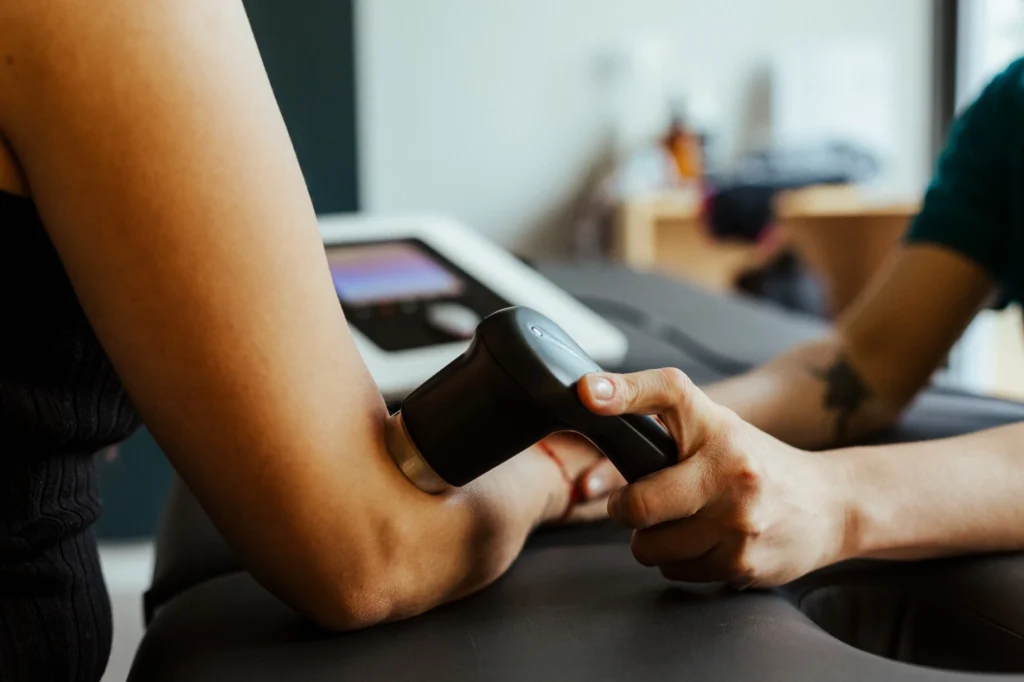
What is done during ultrasound therapy?
To ensure optimal transmission of the sound waves from the transducer to the surface of the body, the part of the body to be treated is first coated with an ultrasound gel. This ensures undisturbed contact between the transducer and the skin and optimal sound transmission. A water bath serves the same purpose. The therapist now moves the transducer over the area to be treated, which heats up and is massaged.
There are three forms of ultrasound treatment:
- Treatment with direct sound
- Treatment with impulse sound
- Ultraphonophoresis
In the case of treatment with uniform sound, the sound waves are emitted continuously, while in the case of treatment with impulse sound, they are emitted in pulses. In ultraphonophoresis, the sound waves carry anti-inflammatory drugs deep into the tissues. These are applied to the skin before use in the form of ointments, gels and similar substances.
When to use ultrasound therapy?
Thanks to pain-relieving effects and deep penetration, ultrasound treatment is used for many ailments of bones, joints, tendons and soft tissues. The most common areas of application include:
- Wear and tear or incorrect loading of tendon attachments
- injuries of ligaments, tendons and bursae
- superficial arthrosis
- delayed bone healing after fractures
- contusions
- sprains
- acute pain and dysfunction of the spine (spinal syndrome)
- rheumatism
- chronic inflammations
Like other heat treatments, ultrasound therapy must not be used in case of infections, high fever, thrombosis, bleeding tendency, smoker’s leg, skin lesions, cancer, arteriosclerosis. Laminectomy scars, the heart region within a radius of 30-40 cm in patients with pacemakers, testicles, eyeballs and the uterus in pregnant women must not be sonicated. An overdose can lead to tissue death. However, application by a physiotherapist is an extremely safe form of treatment.
Special services
When the treatment time of physiotherapy is not sufficient
For years, health insurance benefits for physiotherapy treatments have been decreasing. Physiotherapists must therefore limit their treatment times for physiotherapy or manual therapy measures to 20 minutes. Unfortunately, these times are far from sufficient. Because in these 20 minutes, in addition to the actual treatment, there are other things to be done, such as
- the patient has to get dressed and undressed during this time
- the treatment room must be prepared
- the patient must be advised and informed
- the entire treatment must be documented
- the treatment room must be prepared for the next patient
- further appointments have to be coordinated.
Thus the actual treatment time often shrinks to only 15 minutes. The physiotherapists then often have no choice but to provide information and advice during the treatment.
Doctors are restricted in issuing prescriptions for remedies
In the past, physicians had the option to more often issue prescriptions with at least 12 treatment appointments with the physical therapist for patients. Additional services such as a massage or mud packs were also included. Today, on the other hand, doctors‘ prescriptions are usually limited to 6 treatment appointments. Medical practices now only have a limited budget available for remedies in a given period of time. This budget is based on the type of physician, the respective region and the amount of remedies prescribed by the physician in the past. If the physician exceeds the budget in the specified period, it is possible that the health insurance company or the Association of Statutory Health Insurance Physicians may even have this additional amount reimbursed by the physician. Therefore, in addition to the patient’s clinical picture, it also depends on the prescribing physician and his budget and on the respective region. This often results in conflicts of interest that are at the expense of patients.
Consequences for patients
- There is no time for a detailed analysis of the patient to find out solution and therapy approaches.
- In the short treatment time of only about 15 minutes, the therapist can often only achieve symptom relief. A sustainable therapy requires more time.
- In the worst case, not even the symptoms are alleviated within the short treatment time. Frequently, new doctor’s appointments are necessary and further prescriptions have to be issued, which again can take a lot of time.
- The cost brake of the public health insurance companies has a negative effect on the success of the patients‘ treatment.
How is a sustainable therapy possible despite cost pressure?
Patients who have received a prescription for physiotherapy can extend their treatment time per appointment with PhysioPlus. Time extensions of 10 or 20 minutes are possible, but longer times can also be arranged to achieve the best possible treatment success.
Advantages of extending the treatment time
- the therapist can respond more intensively to the complaints of the respective patient
- a high quality physiotherapeutic treatment is made possible
- on the basis of the original prescription, the treatment can be continued without a prescription until the goal of the treatment is achieved
- the PhysioPlus treatment concept enables an extension of the treatment time of up to one hour
- the additional time acquired is pure treatment time
- the patient is free of complaints more quickly
- the treatment success has a lasting effect
Personal training and physiotherapy can be successfully combined. Regular sport requires the functionality and health of all joints, tendons and muscles of the body. It is essential not to overload the body, especially the musculoskeletal system, and to protect it from damage.
Personal training not only has a preventive effect, but can also promote a significant improvement in health and fitness as a rehabilitation measure. In this case, not only the problem symptoms are taken into account, but a holistic concept is applied.
Training with experts
A physiotherapist specializing in sports takes over the individual 1:1 care of the patient by creating a personal training plan, which is adapted to the respective needs and personal fitness level. For this purpose, a sport-specific analysis is carried out before the start of the personal training. This makes it possible to identify any existing damage to the spine, joints or muscular system, as well as other physical dysfunctions or malpositions, at an early stage and then tailor the training accordingly.
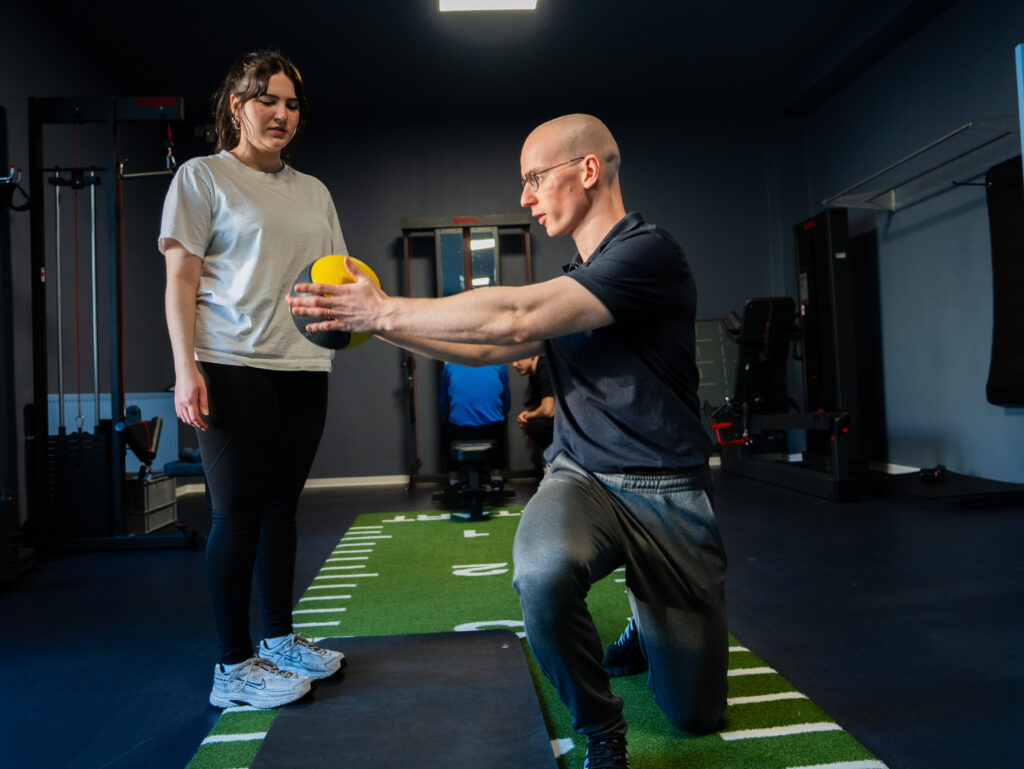
How does the sport-specific analysis work?
During the initial examination, the patient’s movement patterns and musculoskeletal system are assessed, and potential injury risks are also quickly revealed. The focus is on the patient’s ability to move, perform, and bear weight, providing information on their current endurance, strength, and coordination abilities. In addition, a stress check of the spine and joints is carried out, the results of which are later used to create the appropriate compensatory training and the objective of the training. In addition, aspects such as nutrition, personal stress factors and private and professional everyday life are included in the training plan in order to obtain a comprehensive overall picture of the patient.
Advantages of personal training
- 1:1 support
- is suitable as a rehabilitation measure after operations and injuries
- motivates to regular and efficient training
- customized training plan according to sport-specific analysis
- improvement of mobility and posture
- prevention of chronic complaints
- is also possible with medical impairments
- facilitates the start or re-entry into fitness training
Goals of personal training
- regain and maintain health
- Prevent diseases and injuries
- increase mobility and posture
- Increase fitness performance
- Reduce weight
- regular balance in everyday life
Methods of personal training
- Improve and maintain mobility
- Activate and strengthen weakened muscles
- Coordination training
- Training body perception
- Documenting training progress
- Establish new habits
Since 2008, employers have been able to take advantage of the new regulation under Section 3 No. 34 of the German Income Tax Act (EStG) and promote the health of their employees. This is a tax allowance for workplace health promotion, which originally had an amount of € 500 per employee per year. This amount was increased by the legislator to €600 on 01.01.2020.
Background to the tax allowance
One of the most common illnesses of employees in offices is back pain. This is mostly due to the working conditions, which require constant work in a sitting position. In addition, performance pressure, stress and lack of exercise further worsen health. This is often followed by sick leave of the employee up to total loss of working capacity.
That is why many employers try to prevent the health of workers through preventive measures. This usually includes a back training program in which employees can participate. The employer covers the cost of this. Whereas in the past the employer had to pay tax on these costs to the tax office, today the employer is directly relieved by the new regulation.
This is because the Federal Fiscal Court has ruled that these measures no longer qualify as remuneration for employees, but as a preventive measure. By reducing back pain among employees, this also reduces absenteeism. In this way, the employer saves costs in the long term due to less absenteeism.
In addition, the employer can also use the health promotion subsidies for external measures. These include, for example, inviting and engaging external health experts. However, this tax allowance only applies as long as a full salary is paid. Thus, the subsidy cannot be applied as a fringe benefit.

The health promotion measures
The new health promotion scheme allows employers to promote the health of employees. This includes employees, 450 € jobbers, shareholders and managing directors. What counts as health promotion measures is regulated by the health insurance funds in § 20 SGB V. These are divided into two main points.
1. measures to improve the general state of health
- Exercises and tasks that reduce physical inactivity and thus prevent health risks.
- Provide tips on nutrition to prevent malnutrition or malnutrition. At the same time, they should reduce existing excess weight.
- Exercises to reduce stress and have a relaxing effect. The aim is to help people cope better with stress and reduce illnesses caused by stress.
- Measures that reduce the consumption of addictive substances. These include promoting non-smoking and reducing alcohol consumption.
2. measures that serve to promote health in the workplace
- Adjustment of the load at the workplace, which includes the lack of movement and the protection of the musculoskeletal system.
- Catering at the workplace, which includes healthy canteen food, consideration of employees‘ wishes, training of kitchen staff and nutrition campaigns.
- Avoiding stress and psychosocial strain, which is achieved by training personnel management in the form of employee leadership and stress management.
- Reducing the consumption of addictive substances through smoke-free operations and campaigns against alcoholism.
Symptoms and diagnoses
Back pain is now considered the number one widespread disease in Germany. Who doesn’t know it: a stabbing pain or a feeling of stiffness in the back? For many people, back pain means noticeable restrictions in everyday life, leisure time and work, and thus considerably impairs our quality of life.
In the case of acute back pain, physiotherapy can help to alleviate it and restore the original mobility and stability. Physical therapy can help sufferers reduce the risk of back pain returning. Physical therapists use a wide range of therapies and techniques to help sufferers treat acute back pain or to help them prevent back pain.
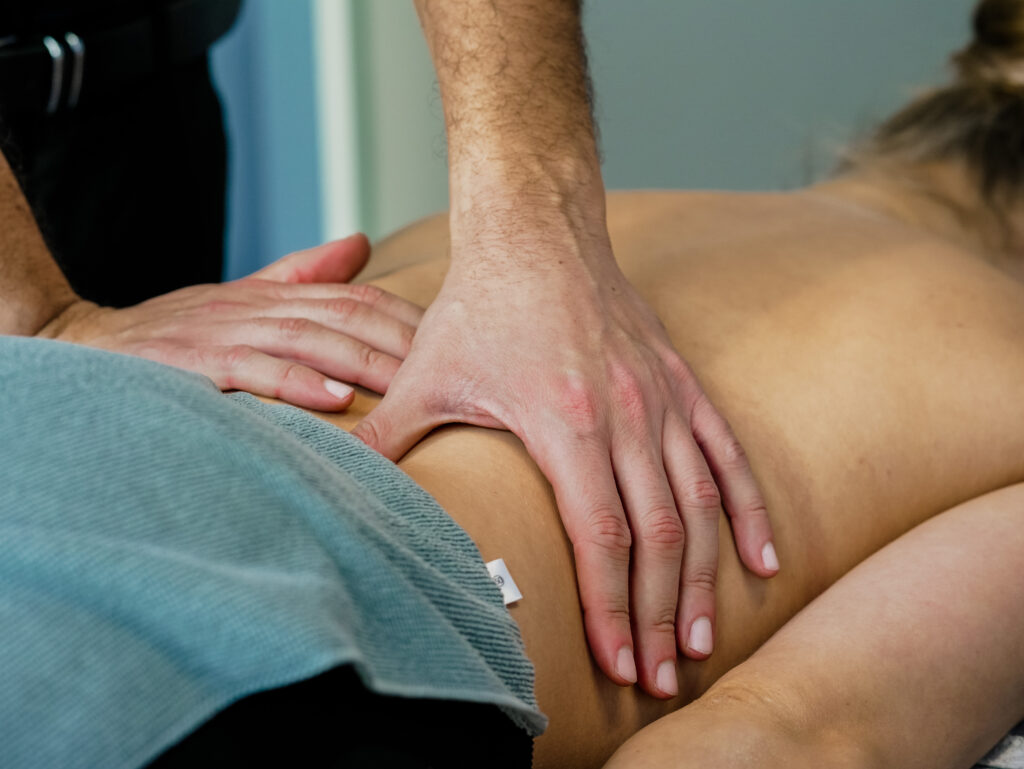
Different types of back pain
Back pain can be both sudden and persistent pain in different areas of the back. In Germany, back pain is the most common reason for a visit to the doctor after respiratory infections. According to scientific studies, the main causes are factors such as: stress, lack of exercise, anxiety, job dissatisfaction, depression or awkward working postures. Other causes related to the disease are:
- Injuries such as whiplash or vertebral fractures.
- Skeletal disorders such as scoliosis, osteoporosis
- Sliding wear and tear of the spine: wear and tear of the spine
- Inflammations like rheumatism
- Herniated disc
- Narrowing of nerve canals
- Injuries such as whiplash or bone fractures
Physical therapy is an important component in the concept of effective treatment. Physiotherapy is often combined with pain management, psychotherapy or nutritional and stress reduction training. The way the body works is very complex, so the more influencing factors that can be eliminated through interdisciplinary therapy, the greater the chances of success and lasting pain relief.
Regular physical activity is important to prevent back pain. People who exercise once or twice a week strengthen their back muscles and provide fewer targets for pain. Individual physical and psychological needs must be taken into account, as must the correct dosage of exercise programs. Endurance sports such as swimming, walking or special back exercises that can be easily integrated into everyday life are particularly recommended.
In addition, physiotherapy can be used to train healthy exercise behavior and manage stress. This includes reducing risk factors for back pain, increasing awareness and optimizing daily postures such as sitting, lifting, carrying, sleeping and managing stress and pain.
Exercises give back pain
Most back problems can often be resolved with physical therapy combined with medication support. Sufferers should resume daily activities as soon as possible and begin physical therapy as exercise therapy.
In physical therapy, patients with back pain learn various exercises that can permanently strengthen their muscles and counteract postural and movement disorders. Various methods such as breathing and movement coordination exercises, posture, gait and balance training, endurance and speed exercises are used to positively influence or even eliminate existing functional impairments.
In the so-called back school, patients train a certain movement sequence that they often have to perform in everyday life and at work (e.g. weight lifting, which relieves the back). This serves to permanently correct existing posture and movement disorders.
Heat is perceived as pleasant by many patients with back pain. It has a relaxing effect on the muscles and promotes blood circulation. Warm clothing, preferably windproof, such as an additional tank top or a thick sweater, can also keep the back warm.
Whether running, walking, climbing stairs or resting, calf pain can occur in a wide variety of situations and can be very uncomfortable for those affected. In most cases, pain is triggered by overexertion or poor posture, which can sometimes become so severe that physical activity or even normal walking without restrictions becomes impossible.
In addition, calf pain can also be caused by a serious condition such as thrombosis or a circulatory disorder such as peripheral arterial disease. Accordingly, if severe pain suddenly occurs and symptoms persist or recur frequently, sufferers should consult a doctor to determine the exact cause.
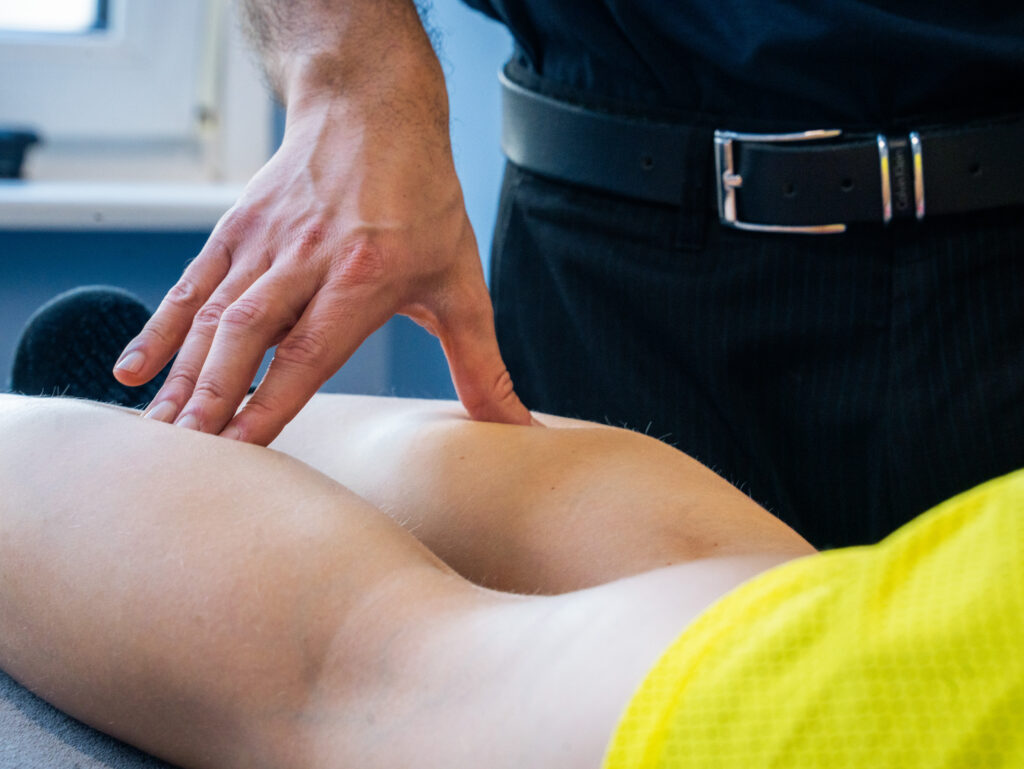
Different causes of calf pain
Calf pain can have harmless, but also serious causes. Pain in the calves is common and is described as probing and/or pulling, moreover, in most cases, the discomfort is aggravated by physical activity such as sports or climbing stairs. However, calf pain can also occur at rest, the best example being calf cramps that occur suddenly at night or after prolonged immobilization. The symptoms can be basically persistent, but can also occur repeatedly in short attacks. They often occur after a heavy load on the muscles, for example after a long run or a mountain hike.
Calf pain often does not “stay alone”, but other symptoms occur simultaneously, such as pain in the hip, foot, knee, Achilles tendon or ankle. In many cases, there is also a feeling of numbness or tingling in the calves, and in some cases those affected also have the feeling that they can no longer keep their legs still.
Calf pain is not uncommon in physiotherapy practice. They are particularly common in athletes such as runners and cyclists. However, less physically active people can also suffer from calf pain. In addition to the cause, the way the symptoms manifest themselves also differs: They can be felt as tingling or burning sensations and last for different lengths of time. Which treatment is the right one depends on the trigger. Therefore, it is important to first know the function of the calf muscles in order to then determine the type and cause of the discomfort.
Different treatment methods of physiotherapy
Physiotherapy uses different methods to treat calf pain. Which one is better depends primarily on the cause of the discomfort. In addition to the classic physiotherapy treatment with manual therapy, the so-called fascia therapy (myofascial release) is possible. With the help of special manual pressure techniques, blockages, incorrect movement patterns and stuck fascia can be released. This can be helpful in the area of the lower leg that is most painful, as well as other areas related to the lower leg that may be causing discomfort.
Shock wave therapy can help relieve muscle tension. Kinesio taping can also have a positive effect on muscle tension and function and relieve pain. Depending on the type and cause of the pain, laser therapy may also be appropriate. Targeted irradiation with a beam of light of different wavelengths and energy levels can relieve pain and stimulate the body’s self-healing powers.
Der Erhalt der Beweglichkeit und Schmerzlinderung während der Physiotherapie sind besonders wichtig bei Arthrose des Fingergelenks. Die Zerstörung der Knorpelsubstanz führt zu einer Verknöcherung der Gelenkkapsel, wodurch sich an den Fingergelenken kleine Knötchen bilden, die die Beweglichkeit einschränken und Schmerzen verursachen. Neben Schmerzen und Bewegungseinschränkungen können auch Schwellungen auftreten.
Maintaining mobility and pain relief during physical therapy are especially important in osteoarthritis of the finger joint. Destruction of the cartilage substance leads to ossification of the joint capsule, resulting in the formation of small nodules on the finger joints that limit mobility and cause pain. In addition to pain and restricted movement, swelling may also occur.
Causes of hand pain
Constant, non-ergonomic stress on the hand and finger joints quickly leads to overuse syndromes, first in the soft tissues and then in the joint area in the form of osteoarthritis. Rhizarthrosis is one of the most common degenerative diseases of the hands, along with RIP wear and tear. Carpal tunnel syndrome, tendonitis and tenosynovitis are also a result of mechanical overuse. In rhizarthrosis, a hereditary predisposition plays a role and probably also a hormonal imbalance.
Women are more commonly affected than men, and although the average symptom age is in the sixth decade of life, many physical therapists begin treatment much earlier. Pain in the tenarballs after long work passes in one night. Warm water rinsing and soft tissue traction, when used alone, relieve symptoms and facilitate suppression of the emerging problem.
It is only when recovery periods and self-therapy no longer have a lasting effect and the pain changes from whimpering to a debilitating twinge, when it becomes difficult to carry a full plate with one hand or turn the house key in the lock, that the therapist must address the issue of “disability control.”
Overuse or improper stress, as well as pre-existing conditions, can lead to wrist disorders. Joint mobility is lost, painful inflammation and stress-related pain recur. In physiotherapy, manual therapy methods are used.
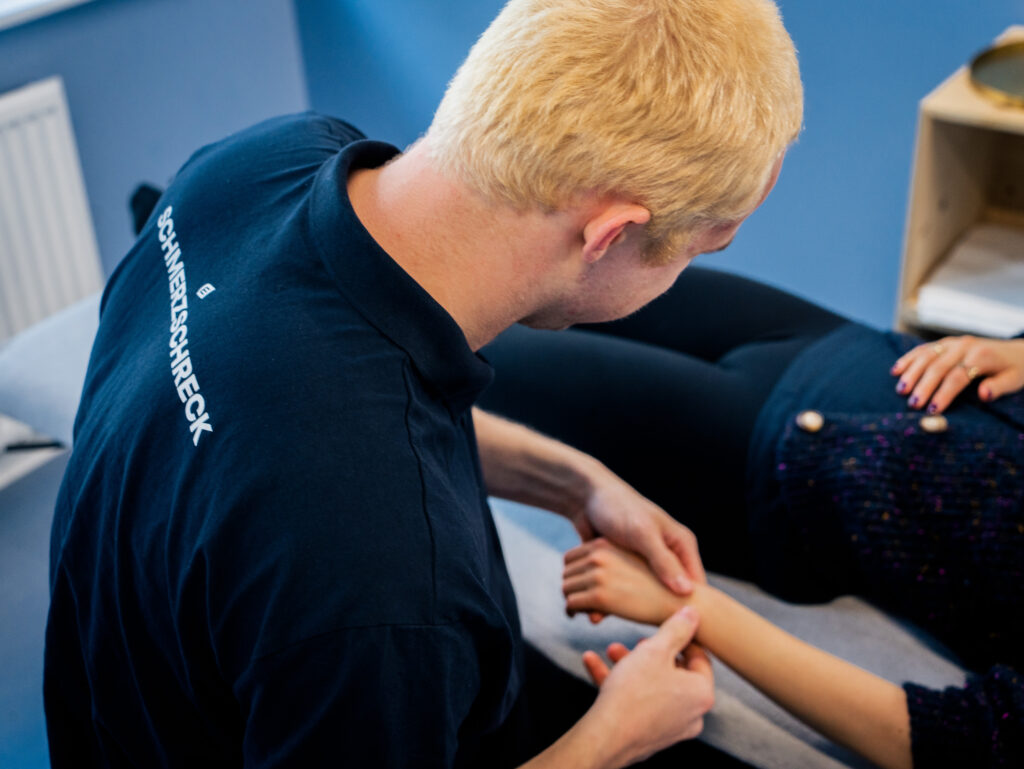
Physiotherapy for hand pain
In addition to posture, each therapist also analyzes the position of the hands and fingers during treatment and corrects them if necessary. Compression of the cartilage and sprain of the ligaments of the finger joints in non-ergonomic conditions are often underestimated. Axial and coaxial traction and shear forces may not initially be perceived as uncomfortable or dangerous, but the buildup of stress over the years often takes its toll.
The wrist, which is often hypermobile in women, should not be stabilized by rigid immobility, but should follow the rhythm of movement in a relaxed manner, comparable to the stroking motion described above. Otherwise, forearm fascia hypertension causes recurrent carpal blockages. The sequence of functional chains, such as the combination of dorsiflexion, ulnar abduction and pronation with palmar flexion, radial abduction and supination corresponds to the biomechanics of the wrist.
Typical of heel pain is stabbing pain in the top of the foot or directly in the heel bone. Those affected describe the pain as stabbing. This occurs mainly when pressure is applied to the foot and may radiate to the calf or sole of the foot.
Whether a heel spur itself plays a role in the perception of pain is a matter of scientific controversy. Numerous ligaments, tendons and muscles are attached to the heel bone. The Achilles tendon attaches behind the heel bone and below it to the plantar fascia. The plantar fascia is a tendon plate and is particularly important for tensioning the longitudinal arch. The longitudinal arch is the area between the heel bone and the ball of the big toe.
Heel pain can have a variety of causes. For example, heel pain in runners is often a sign of overuse. Bone growths, circulatory problems in the foot, inflammation of the Achilles tendon, bone fractures and rheumatic diseases can also cause various types of heel pain. Pain can occur at rest as well as during or after weight bearing.
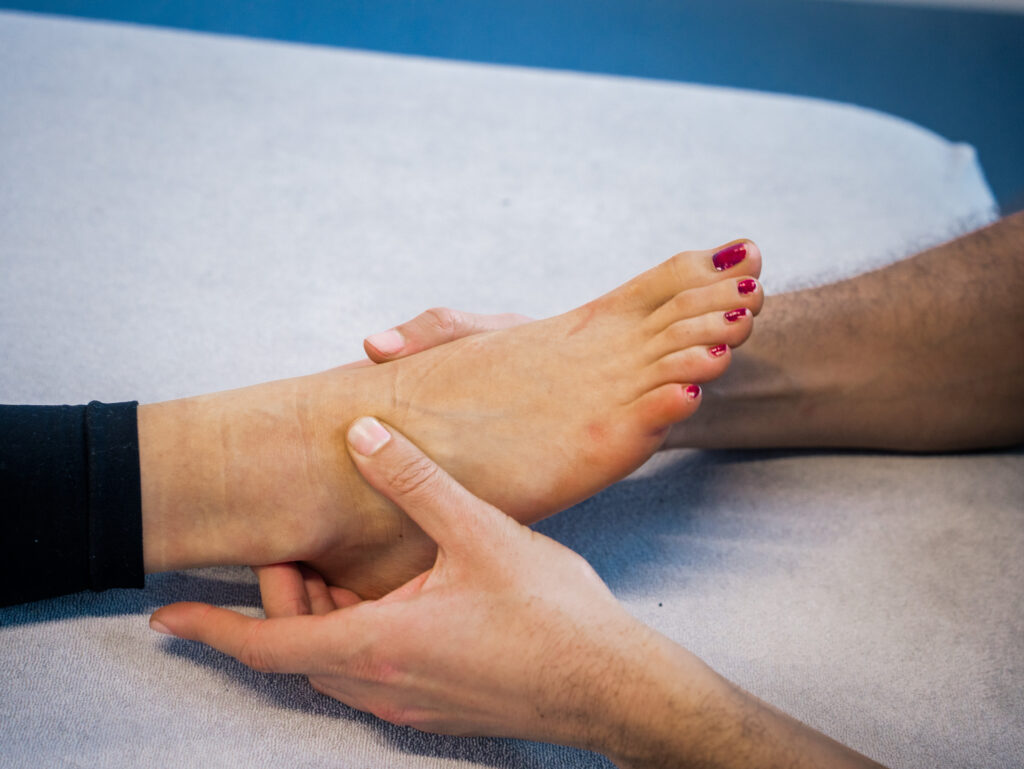
Locate and explore heel pain
Physical therapy focuses on localizing pain and exploring exactly where it begins. Depending on how pain is felt and the distribution of stress zones, the extent of heel pain and the degree of inflammation can be determined. Medications that have an analgesic or anti-inflammatory effect are not usually used in physiotherapy. The focus is on the origin of the complaints and thus the cause of the additional bone growth. This is the only way to achieve targeted treatment and a lasting solution. The goal is to achieve optimal pressure distribution in the feet in order to reduce tissue swelling around the heel spur and gradually reduce inflammation.
Certain movement sequences and walking methods are practiced so that they can be regularly integrated into everyday life. In addition to exercise, shoe inserts or other measures may be recommended. For heel pain, not only shoes with a small elevation of the heel help, but also special shoe inserts that can reduce pressure on the heels. By simply wearing customized insoles or pads, the foot can be permanently relieved.
Healthy feet have a positive effect on the entire body and provide holistic balance and equilibrium. Only those who feel good from head to toe find the right grounding and look forward to a light, carefree feeling. Bone growth is the result of persistent overloading of the foot. Excessive stress occurs, for example
- due to incorrect position of the foot (especially flat feet)
- if the affected person is overweight
- in occupations that are predominantly performed while walking or standing
- muscle weakness
- without warming up muscles, tendons and ligaments before training
- wrong shoes
Risk of heel pain
The risk of developing a spur increases with age, as the natural fat under the heel compresses and protects the tendons and bones less from stress. Therefore, people between the ages of 40 and 60 are most affected.
If the foot is subjected to heavy (one-sided) stress over a long period of time, small tears develop in the tendon of the foot plate. The body tries to “repair” the tissue and provide more stability by storing calcium in the affected areas, which ossifies over time. This is how a heel spur develops.
Treating a heel spur is a lengthy process that can take weeks to months. The goal is to relieve acute pain and prevent the recurrence of symptoms.
An essential part of therapy is relieving tight structures. Patients are advised to stand or walk as little as possible and to elevate their foot.
The resulting hip pain can be very different and have the most diverse causes. They appear on the sides, deeper in the thighs or in the buttocks. The pain can also radiate into the legs.
How does hip pain manifest itself?
If external pain persists, for example, bursitis may be a possibility. It is caused by excessive strain from strenuous activities or other diseases such as rheumatism or osteoarthritis. It also plays a role whether only one or both sides of the thigh are affected. Unilateral pain is often caused by injuries or disc problems, while bilateral pain can also be caused by gout or blood vessel diseases.
If discomfort occurs in the hip area while lying down, this may also indicate diseases such as gout or rheumatism, which have already been mentioned. When lying down, however, there are other causes, since the body is less stressed in this relaxed position. These include infections and inflammations of the hip joint or overloading of the nerve trunks.
Pain relief is the main focus of physiotherapy. Depending on the cause and stage of the symptoms, medication and exercise therapy can be very successful. For example, with regular physiotherapy or heat therapy, sufferers can relieve pain and strengthen their hip joint so that the symptoms do not recur in the future. Muscles and tendons are strengthened and sufferers can lead a more active lifestyle. Learning and performing specific stretching exercises or fascia exercises is also very helpful.
Hip pain can have many causes. Worn articular cartilage, impingement, osteoarthritis, jammed structures, inflammation, overuse, muscle weakness, shifting legs, bursitis and other conditions painfully restrict the joint with every step. Various physical therapy interventions relieve symptoms, but it is important to address the cause for long-term success.
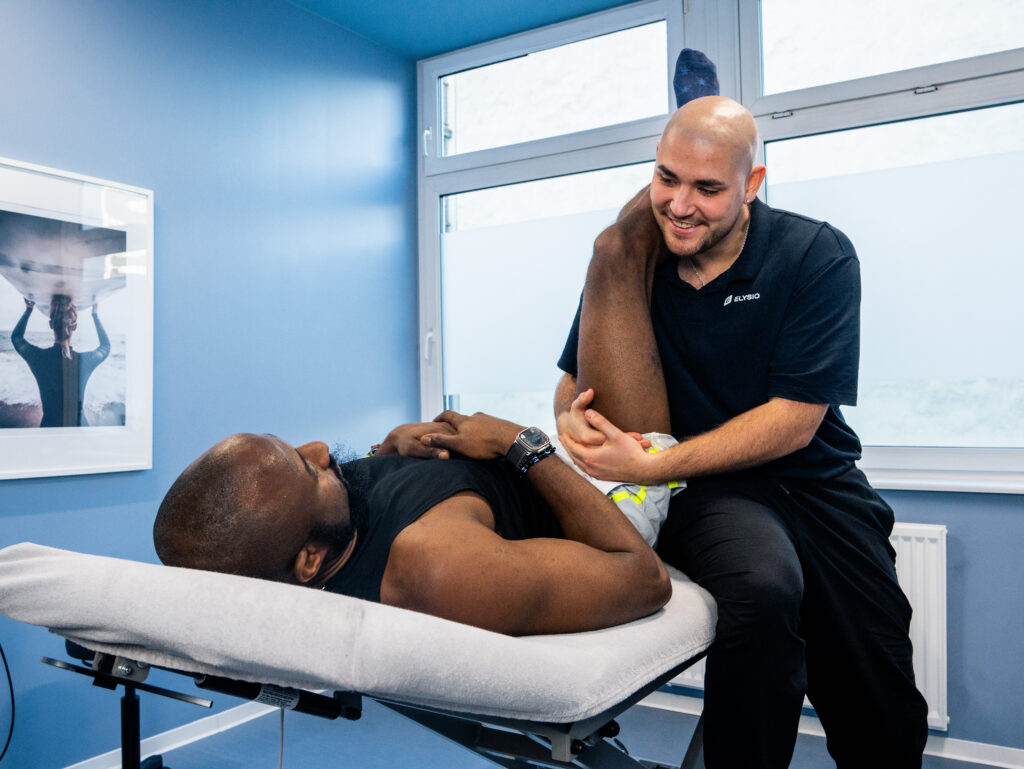
Physiotherapy for hip pain
Physiotherapy for hip pain is primarily aimed at helping the patient to eliminate pain in the hip joint through conservative therapy or to ensure the fastest and best possible rehabilitation after a previous operation.
The most appropriate form of therapy depends on many factors. They usually include the cause of the hip pain. This can be congenital changes in the hip joint, metabolic diseases, age-related signs of wear and tear, inflammations such as bursitis in the hip joint, rheumatic diseases, accidents or spinal problems. The patient’s medical history and examination results (ultrasound, X-ray, MRI, etc.) provide a treatment plan that is individually tailored to the patient so that he or she can quickly become pain-free again and cope with everyday life without any problems.
Of course, the cooperation and discipline of the patient are essential for successful physiotherapeutic treatment. The most important contents of physiotherapeutic treatment for pain in the hip joint are:
- Manual therapy
- Strengthening, stretching and loosening
- Self-help in everyday life
Osteoarthritis of the hip joint (coxarthrosis) is one of the most common causes of pain in the hip joint. It is often age-related and only appears in old age. However, wear and tear is also possible in young people.
In the case of pain caused by a one-time or temporary overload or misload, it is often sufficient to rest for a few days. In the case of complaints that occur constantly, it is desirable to get to the bottom of the cause. Seeing a physical therapist can help identify abnormal movement patterns and work with the patient to correct them before they become chronic.
For inflammatory processes such as bursitis, a combination of immobilization of the affected joint, pain management with medication and physical therapy is often recommended. The latter aims to restore mobility to the affected joint and prevent recurrence of inflammation. This can help strengthen muscles and stop improper movements. Another treatment for bursitis is shock wave therapy. If inflammation still occurs repeatedly, surgical removal of the bursa is often the only solution.
If the cause of the complaints is wear and tear on the hip joint and the osteoarthritis is already advanced, physiotherapy can help to improve its progress. First of all, it is important to avoid incorrect tension by adopting a gentle posture, to strengthen the muscles and to increase mobility.
Impingement syndrome describes a painful pinched tendon or muscle in a joint. This sometimes leads to painful restrictions in movement. Impingement syndrome most commonly affects the shoulder joint, followed by the hip joint. It is treated with pain medications, physical therapy and surgery.
Impingement syndrome describes a painful pinching of the tendons or parts of the joint capsule (soft tissues) in the joint space. As a result, the tendons no longer slide freely in the joint space. In most cases, this leads to degenerative changes associated with limited joint mobility.
Impingement syndrome manifests itself mostly in the shoulder joint. It affects about ten percent of the German population (men and women around the age of 50 about equally often). Impingement syndrome frequently occurs in the hip joint. Less frequently, patients suffer from ankle impingement syndrome.
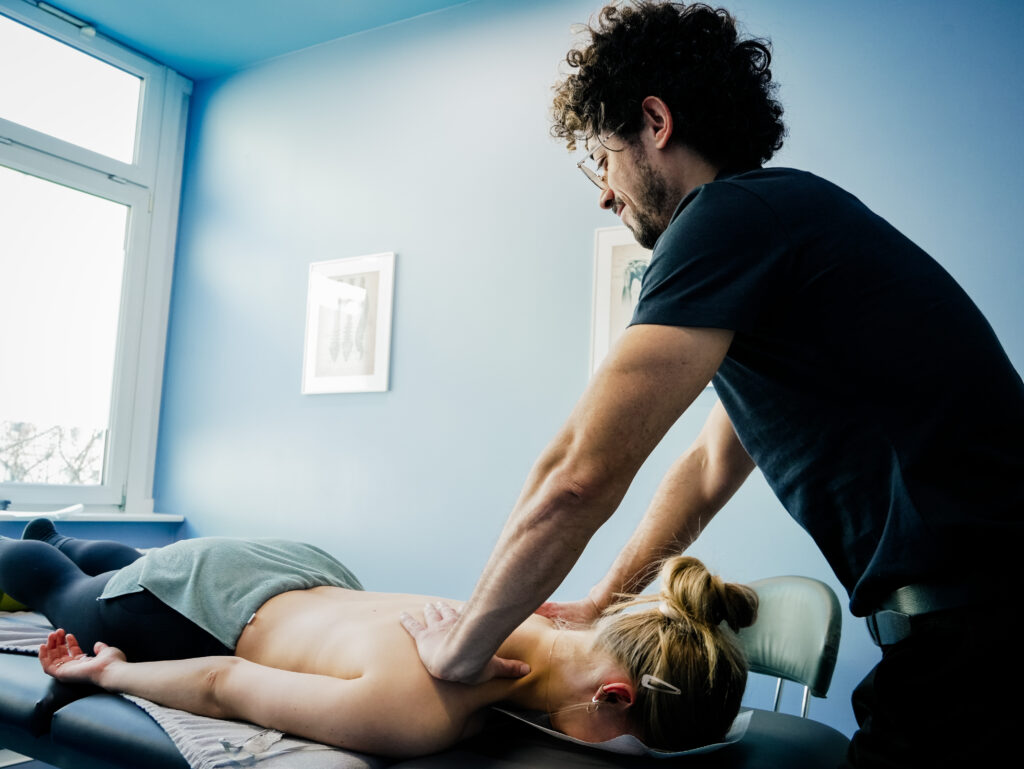
Different forms of the syndrome
Shoulder impingement syndrome can be divided into two forms, depending on which structures are compressed:
Primary impingement syndrome is due to changes in bony structures such as a bone spur or an excessively sloping bone roof.
Secondary impingement syndrome without outlet occurs as a result of another disease or injury that narrows the joint space. These include, for example, bursitis and damage to tendons or muscles.
Impingement patients usually suffer from severe pain with many movements for a long time. Once the cause is found, help can be provided quickly. It is the most common cause of shoulder pain in 45-61% of cases. People with jobs that require a lot of shoulder or overhead work have a higher risk of developing impingement. Overhead athletes, such as volleyball players, are also more likely to be affected. Women and men are affected at about the same rate.
Pain usually occurs in the shoulder area and may radiate to the hand. The pain is aggravated by exertion and overhead work. Symptoms vary depending on the region of the body where the syndrome occurs. Shoulder impingement syndrome is characterized by acute pain that is not felt initially but worsens over time, especially when weight is placed on the joint. Pain is particularly severe when the arm is raised above the head. At night, the pain is also so severe in many patients that they are unable to sleep on the affected shoulder, which significantly affects sleep quality.
Characteristic of impingement syndrome is that the range of motion is painful in a specific area, this is also known as the “pain arc”. The affected person raises the arms sideways upwards and feels the main pain in the arc of motion between 60° and 120°. After that, the pain subsides or disappears completely.
Possibilities of physiotherapeutic treatment
Basically, there is a possibility of both conservative and surgical therapy. Painkillers, anti-inflammatory drugs or injections are used to relieve the symptoms. The cause of impingement syndrome is more effectively treated with physiotherapeutic methods. In addition, anti-inflammatory and analgesic measures are used.
Physical therapy for impingement syndrome targets and relieves the problems caused by this syndrome, especially pain and constriction of the tendons and tissues. Specific exercises ensure that the head of the humerus no longer pinches tendons, tissues and ligaments below the acromion, creating more free space. Building up certain muscle groups in the shoulder joint provides better control and more stability. Shock wave therapy or cryotherapy may also be possible treatment approaches as part of physical therapy for shoulder impingement syndrome. Which form of treatment the affected person chooses is individual and is usually decided by the physical therapist and physician in consultation with the patient.
As already mentioned, the physiotherapeutic goal of treatment is primarily the control of pain and restricted movement as well as muscle building (especially of the rotator cuff). The main problem with impingement syndrome of the shoulder is that the distance between the acromion and the humeral head is too small, which leads to bruising and damage to the structures in between. The so-called rotator cuff of the shoulder joint includes 4 main muscles that fix the shoulder in the shoulder joint. Therefore, for successful treatment, it is important to exercise the muscle groups that pull the head of the humerus down to increase the space under the acromion. For this purpose, the physiotherapist provides the affected person with appropriate exercises that, when performed regularly, lead to an improvement in the symptoms.
It is also important to train shoulder tracking, as this is often impaired in impingement syndrome. The humerus and clavicle are primarily responsible for this. When a shoulder injury occurs, the clavicle is displaced more than is normally necessary.
Knee pain manifests as pulling, pressing or stabbing pain, inflammatory swelling, heat, redness and limited range of motion, depending on the cause.
The path to a pain-free knee with physiotherapy
Physical therapy can help sufferers on the path to a pain-free knee with targeted interventions: Physical therapy, chiropractic, manual lymphatic drainage, fango and, of course, self-exercise. When the knees hurt, there is still no reason to panic or ignore it. Those affected should take this as a warning sign and consult an orthopedist to clarify the exact causes in each individual case and, if necessary, seek physiotherapeutic treatment. Targeted physiotherapeutic exercises can bring great relief to sufferers.
Which structure causes pain? This question is difficult to answer and usually requires a thorough evaluation by an orthopedic surgeon or physical therapist. Possible explanations include:
- The patella is in the wrong position due to the incorrect leg axis. Friction or bruising occurs.
- The affected person puts too much strain on the joint (through excessive sport or unaccustomed work). This leads to inflammation, which can last for a long time if not treated properly.
- Strain, weakness or imbalance in the thigh muscles can cause the knee to move in a way the body is not used to.
- The groove that guides their kneecap is anatomically too shallow.
- Exercise therapy (physical therapy) is almost the most important conservative strategy for restoring long-term health to a diseased joint. If it remains inactive for a long period of time, the muscles responsible for it atrophy, the blood supply to the joint is reduced. It also becomes or remains unstable, and swelling and pain do not subside. Osteoarthritis, for example, can worsen.
Exercises are individually composed and designed in such a way that the joint is subjected to as much load as possible and, above all, is moved to the right degree. Different degrees of load can be achieved with connected training equipment.
Joints that are forcibly restricted in their mobility, e.g. due to shortening of tendons, muscles or capsular tissue (contracture), can be moved passively manually or mechanically and become more flexible (mobilization). Then the treatment can move into practice. However, if the contracture can no longer be corrected with physical therapy or if it is bony, it must be corrected surgically.
For physical therapists, active movement therapy is often preceded by massage to first relieve muscle tension. The muscles are then stretched and finally actively tightened and strengthened in exercise sequences. In addition, those affected receive information and practical instructions on how to safely handle the knee in everyday life. Physiotherapy in the broadest sense also includes manual therapy or chiropractic.
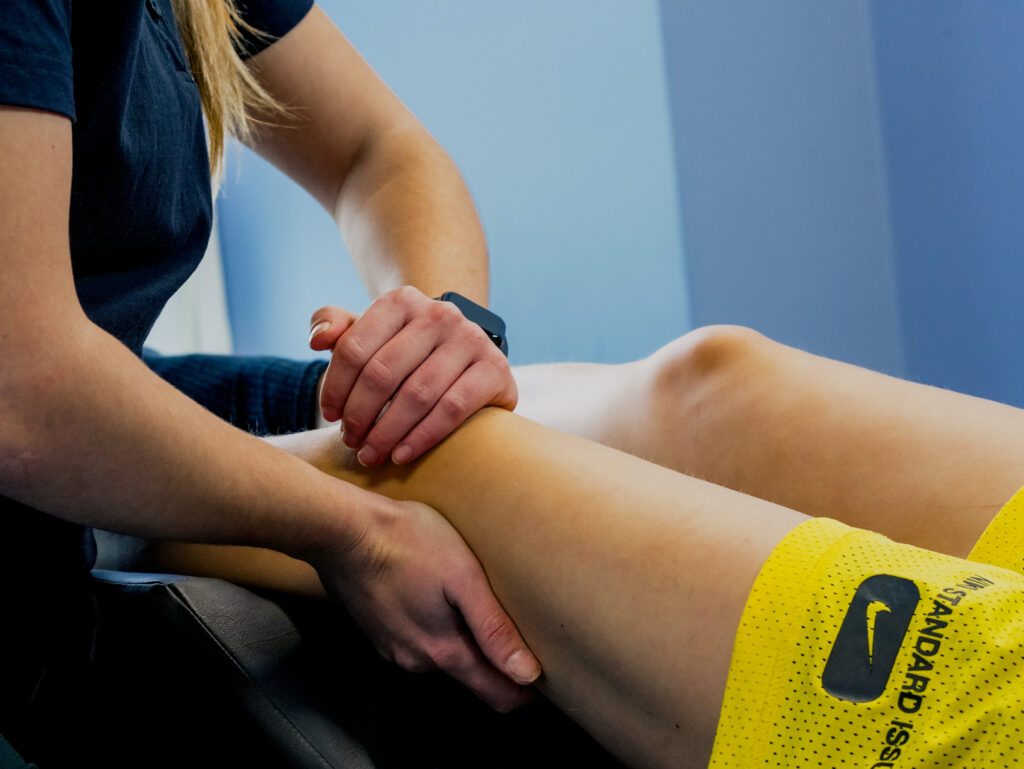
Different treatment and therapy approaches
Physiotherapy knows many different treatment and therapy approaches. In addition to traditional physiotherapy, the therapist can use manual applications to relieve pain. There are also physical therapy methods such as electrotherapy. Here is an overview of some of the applications of physiotherapy:
- Physiotherapy, i. e. B. Mobility exercises.
- Physiotherapy, i.e. iontophoresis, ultrasound therapy
- Applications, e.g. massages and lymphatic drainage
Individual procedures and measures can be combined with each other. Ideally, surgical and conservative measures are combined with physiotherapy. For example, the treatment plan should take into account activity phases during sports therapy treatment. Targeted preparation before surgery helps to better withstand the operation.
What are typical migraine headaches?
Typical migraine headaches are throbbing headaches that occur in attacks, usually affect only one side of the head and mainly the eyes, forehead and temples, and are made worse by movement. The pain is accompanied by symptoms such as loss of appetite, nausea, and sensitivity to light or noise. Sometimes the pain is preceded by what is called an aura, in which symptoms such as blurred vision herald a subsequent headache.
In order to stop or avoid attacks quickly, it is important to take the right medication in the correct dosage at an early stage and to carry out the necessary physiotherapeutic treatment. Therefore, migraine sufferers should seek the advice of a physician before treatment. Preventive treatment is also available for frequent attacks.
Migraine is a common condition, with about seven percent of men and 13 percent of women experiencing migraine attacks. Migraine attacks occur most frequently between the ages of 35 and 45. At this age, about three times more women are affected than men. One in five women suffers from migraines at some point in her life. Children of school age can also suffer from migraines, but typically the first onset occurs after puberty. Migraine runs in families. This is based on a genetic predisposition to migraine, which has now also been proven for some forms.
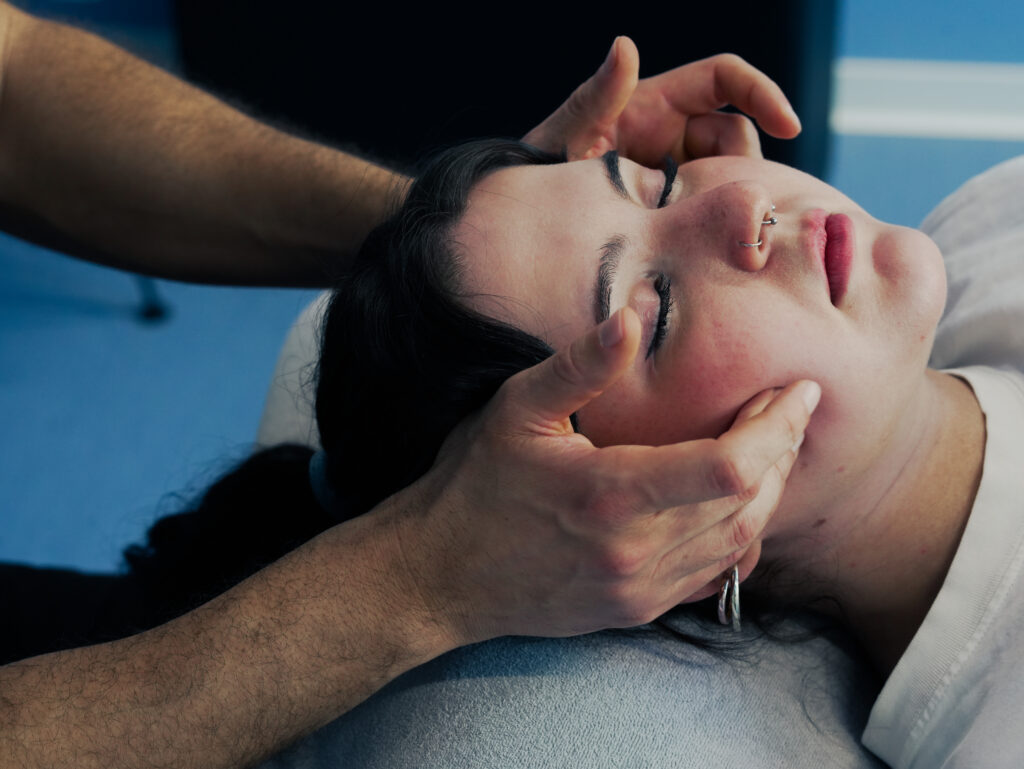
What types of migraine are there?
There are many known types of migraine. The most common headache attacks occur without an aura. This type of migraine occurs in about 80 percent of cases. A migraine with a headache aura is preceded by certain symptoms. For example, tingling, visual disturbances, speech disorders, dizziness or, rarely, even paralysis may occur. Other symptoms are also possible in certain forms of migraine.
Migraine usually occurs episodically with single headache attacks and a clear preponderance of headache-free days. When attacks become more frequent and days with headaches eventually become more frequent than days without, doctors refer to the condition as chronic migraine. Research shows that physical therapy can minimize the frequency, duration and intensity of migraine attacks. However, physical therapy should be performed over a longer period of time, ideally during the asymptomatic phase rather than during an attack.
Physiotherapy treatment for migraine
Treatment is selected individually for the patient. Depending on symptoms, concomitant diseases, type and cause of migraine, different interventions are offered. In all cases, however, advice on sufficient exercise, relaxation techniques and a healthy lifestyle play an important role.
So-called “multimodal therapy approaches include exercise, nutritional counseling, behavioral therapy, relaxation techniques or biofeedback therapy. In addition to drug therapy, alternative therapies such as herbs or fragrances can also provide relief.
In both osteopathy and physiotherapy, a detailed medical history is taken at the first appointment. The musculoskeletal system (muscles, bones, face), the visceral department (organ department) and the craniosacral department (fluids – neurological connections) are examined. Attention should be paid to anomalies in individual areas as well as to the connections between anomalies. In therapy, one then speaks of ascending or descending chains, which can result from this and thus belong to the migraine triggers.
For example, muscle tension of the spine occurs in many migraine patients. Tension states can not only reduce blood flow to the muscles, but also restrict mobility in the area of the upper cervical spine at the transition to the upper cervical joints, as well as the entire thoracic spine.
High muscle tone (muscle tension) decreases blood flow to the small blood vessels of the muscles, which negatively affects the absorption of nutrients and the elimination of waste products, and muscle tone continues to increase. This leads to painful myogeloses (tension knots).
Causes of osteoarthritis
Osteoarthritis always occurs when there is excessive stress on the cartilage of the joint. If the cartilage is already damaged, sometimes even normal everyday stress is enough. What exactly causes osteoarthritis and why it sometimes develops in very young people is not yet fully understood. However, it is assumed that several factors determine the onset and course of the disease.
Possible risk factors for osteoarthritis are:
- Hereditary predisposition
- Metabolic diseases such as diabetes
- Congenital malformations
- Injuries, such as an injury to the cruciate ligament or an injury to the meniscus
- Prolonged overuse, such as obesity, extreme physical activity or strenuous physical labor.
High-profile studies now show that exercise not only relieves pain in patients with knee or hip osteoarthritis, but also maintains joint mobility. Physical therapy (PT) is considered a main element of conservative treatment for osteoarthritis in international guidelines, along with weight reduction and pain or anti-inflammatory medications.
According to a study funded by the German Federal Ministry of Education and Research, only one in two of more than 3,500 osteoarthritis patients used a physician-prescribed exercise program at least once. Overall, 98 percent of patients in at least once visited a primary care physician.
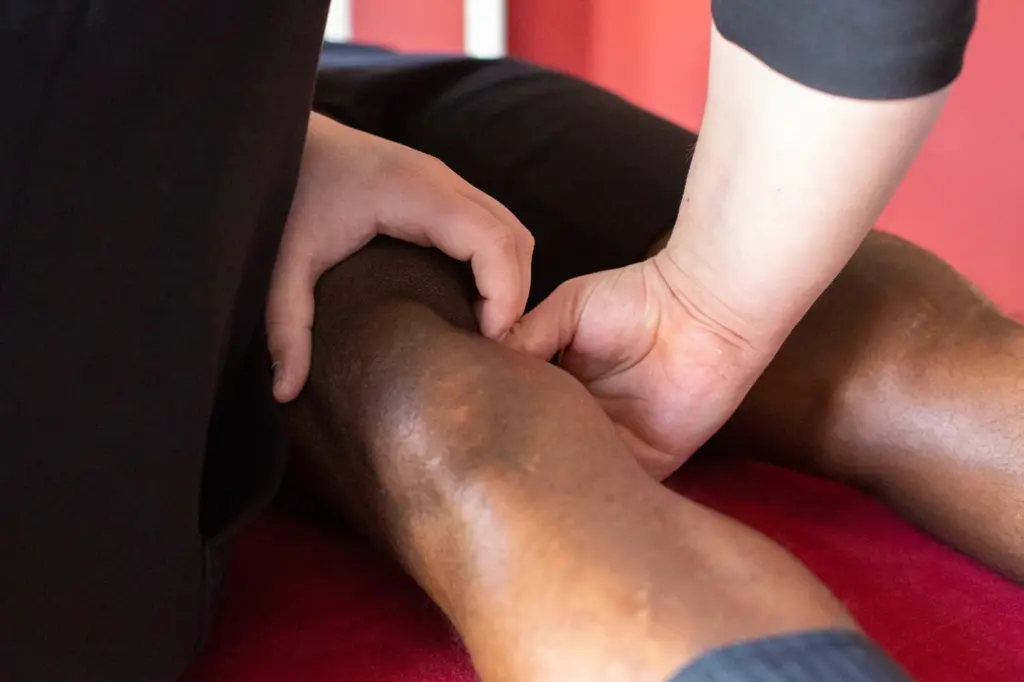
Physiotherapy treatment options for osteoarthritis
Most importantly, physical therapy is one of the first treatment options as a conservative measure. Physical stimuli such as heat, cold, ultrasound or electrical stimulation can be used. Manual techniques by the physiotherapist to improve joint mobility, as well as active measures such as strength building and balance training to improve functionality in everyday life, guide the course of therapy. Another important factor in physiotherapy is the prevention of osteoarthritis and its progression.
The focal points of physiotherapy are therefore:
- Pain relief
- Anti-inflammatory
- Improved mobility
- Improvement of the quality of life
- Prevention of disease progression
Surgical interventions are only considered in later stages, in cases of severe pain, significant limitations in everyday life and ineffectiveness of conservative therapy. There are several options for this: Arthroscopy or partial/total arthroplasty.
Osteoarthritis can also affect young people and athletes. In addition, we should not forget that a severe degenerative change on X-ray is not necessarily accompanied by severe pain and vice versa. With appropriate therapy, a normal active lifestyle is possible with osteoarthritis.
Osteoarthritis is not curable. Once joint wear has occurred, there is no way to reverse it. This makes it all more important to prevent joint wear and tear at an early stage. Sufficient exercise and targeted muscle training are the basis and ultimate prerequisite for healthy joints. In addition to strengthening the muscles, physical activity also contributes to weight loss. Sports that are easy on the joints, such as swimming, are particularly suitable here. If osteoarthritis is already present, physiotherapy can help to eliminate or reduce functional limitations.
Impingement or rotator cuff tears are two manifestations of shoulder pain and are among the most common musculoskeletal complaints in Germany. This pain can often not be clearly identified by the patient.
When the rotator cuff is injured, movements in the shoulder can cause pain or even complete loss of function. Then, even small daily movements (unbuttoning a bra, hanging laundry, combing hair, brushing…) can cause severe pain or the affected person can no longer move their arm.
On the one hand, such an injury can be caused by a serious injury (fall on the arm), on the other hand, the rotator cuff muscle (the muscle that sits around the shoulder joint and stabilizes it) can recede (regress). This is where pain symptoms gradually appear. However, if multiple symptoms are present, the diagnosis quickly becomes unclear.
If shoulder pain is caused by physical labor or sedentary work, the problem may be the same. Here, exercise therapy, manual therapy, functional training, and behavioral education in everyday life can help.
Physical therapist procedures
Before seeing a physical therapist, sufferers must consult a physician. Using imaging techniques, this person will be able to identify injuries and write a prescription for exercise therapy or manual therapy, if necessary. Those experiencing severe shoulder pain should not wait long or expect the pain to go away on its own. Sufferers should make an appointment with their doctor or physical therapist, especially if they have long-term shoulder problems.
Often, all conservative treatment options must be exhausted before surgery is considered. With the help of physical therapy, it is often possible to improve the condition to the point of complete pain relief for shoulder pain, and additional therapies, such as physical therapy with heat and massage, contribute to the improvement process.
With physiotherapy, this sliding can be improved, the muscles can be strengthened and the head can be better centered in the eye socket again. In addition, with the help of physiotherapy and movement therapy, muscle tension can be eliminated, which can also lead to shoulder pain and restricted movement. In many cases, symptoms can improve without surgery.
Shoulder training is not only useful in cases of discomfort, but also as a preventive measure to train the always neglected external rotators of the shoulder. They play an important role in a healthy and elastic shoulder. External rotators are weak and need to be strengthened to avoid injuries and irritations.
Tendons and tendon sheaths in the hand, for example, can become so stressed by repetitive motion or strain on the fingers and wrist that they become inflamed, for example, when typing on a computer or smartphone. They can also swell and make the fingers less mobile. A similar thing can happen to the ankle joint if it is overstressed, for example by walking for long periods without prior preparation.
Conservative treatment with immobilization, painkillers and physical therapy is often enough to make tendonitis disappear again. If work has caused tendonitis, workplace adjustments such as an ergonomic computer mouse may also be useful. If sufferers wonder if adjustments might be helpful, they can seek advice from an occupational therapist, for example.
How to recognize tendonitis
Tendonitis is easy to recognize. Anyone who feels a stabbing or pulling pain in the joints may be suffering from such an inflammation. If it is already a neglected or chronic condition, pain occurs not only with movement but also at rest. Other symptoms may include redness, swelling, or friction noises when the joint moves.
In most cases, tendonitis occurs when movements are repeated incorrectly over a long period of time or when the joints are suddenly subjected to heavy loads. In both cases, there is tension that can become painful. For example, someone who has helped with a move and feels a twitch in the wrist the next day may have tendonitis. Playing a musical instrument for a long time or a sport like tennis can also cause overexcitation, which can turn into pain. At the other extreme are weakening tendons and muscles that don’t exercise often enough or on one side.
Most often, we move our hands and fingers when we work on a computer or use a cell phone. Tired muscles become susceptible to tendonitis and their strength and mobility decrease, especially as we age. In addition, if the workplace is not ergonomically designed, the tendon sheaths can be incorrectly stressed, which in turn can lead to chronic inflammation.
Optimal treatment of tendonitis
The optimal treatment of tendonitis of the hands and other parts of the body depends on how advanced the disease is. In the acute stage of inflammation, it can often be useful to avoid repetitive motion and immobilize the affected joint. In addition, physiotherapy can help relieve pain through targeted stretching exercises, myofascial relaxation techniques, massage and kinesio-taping. If sufferers are experiencing tendonitis of the elbow, forearm, wrist or ankle, they should make an appointment with a therapist directly.
Physiotherapy is considered truly universal among treatment approaches, as it can be used as an alternative or adjunct in almost all areas of medicine. This makes it a versatile and comprehensive treatment concept for a wide range of applications.
Tinnitus is the occasional or persistent ringing in the ears that is perceived only by the affected person and not by outsiders. The noise can sound very different: While some patients feel an insistent buzzing or a dull hissing, others hear a piercing whistling or ringing. Many sufferers also complain of symptoms such as vomiting, nausea or dizziness.
Muffled buzzing or high-pitched whistling, for many sufferers the sudden and sometimes long-lasting ringing in the ears (“tinnitus”) is a heavy burden that considerably limits the quality of life. There are very different forms of tinnitus in the ears, which are not perceptible to outsiders. However, without a localized source of the noise, treatment is difficult. In addition, the noise can have a variety of causes.
Possible causes of ringing in the ears
Sudden ringing in the ear can have many causes and can be caused by noise exposure, for example. Other possible triggers are certain ear diseases. Typical examples are infections of the inner and middle ear, noise or impact trauma and circulatory disorders in the inner ear or Meniere’s disease.
In addition, tinnitus can also be a concomitant of metabolic or cardiovascular diseases, diseases of the central nervous system (such as multiple sclerosis) or hormonal imbalances. However, it is also possible that the complaints are related to functional disorders of the cervical spine (for example, due to whiplash) or disorders of the temporomandibular joint. If no clear cause for tinnitus can be determined, physicians speak of so-called “idiopathic tinnitus”.
Depending on the doctor’s prescription, a physiotherapist uses manual therapy or exercise therapy to treat tinnitus. Targeted postural training that stretches and strengthens weakened or tight muscles can also be effective against tinnitus. Heat can also be applied to further relax muscles.
How physical therapists help patients
Physical therapists can effectively help patients, especially if the tinnitus is related to problems in the cervical spine. Improvement in cervical spine symptoms can often have a positive effect on tinnitus as well. However, when selecting a physical therapist to treat cervical tinnitus, care should be taken to ensure that the physical therapist is trained in manual therapy. Manual therapy includes, for example, chiropractic and osteopathy. Often, the treating otolaryngologist can recommend an appropriate physical therapist.
Many physical therapists who treat patients with cervical tinnitus use more than just “traditional” exercise therapy. Many physical therapists have now branched out into therapies such as osteopathy and kinesiology and have incorporated these into their scope of practice. The planning of physiotherapy for tinnitus, taking into account the different elements of treatment of individual areas, is done individually for each patient with tinnitus and cannot be “generated”.
Treatment of tinnitus by a physical therapist begins with an assessment. In the case of tinnitus caused by the cervical spine, the physical therapist focuses on the patient’s cervical spine, and here again on statics, musculature, and mobility. The physiotherapeutic evaluation is followed by therapy planning and implementation. The treatment of tinnitus by a physiotherapist can include both active and passive therapy elements. This means that patients must sometimes participate in the treatment themselves, while other therapy elements are applied exclusively by the physical therapist. In the case of tinnitus caused by the cervical spine, among other things, the following physiotherapeutic measures help.
Movement exercises
- soft tissue treatment (muscles, tendons, ligaments, skin, subcutaneous tissue)
- correction of unfavorable statics
- Ice packs to improve blood circulation (which in turn leads to relaxation, pain relief and increased muscle load)
- Sport counseling
- Prevention of new dysfunctions through self-executable training exercises.